
Vatican Excommunicates Followers of Global Catholic Sect
The Vatican has excommunicated approximately 600,000 followers of the Society of Saint Pius X. Learn about this significant split in the global Catholic communi...
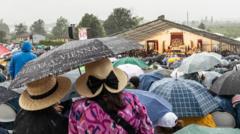
Vatican Excommunicates Followers of Global Catholic Sect
The Vatican has taken the extraordinary step to excommunicate followers of the Society of Saint Pius X, a traditionalist Catholic organization that operates independently from the Roman Catholic Church's direct authority. This significant religious decision affects approximately 600,000 members worldwide who adhere to the group's theological principles and ecclesiastical practices. The Vatican excommunicates members through formal ecclesiastical proceedings that reflect deep doctrinal disagreements between Rome and the sect's leadership.
Understanding the Society of Saint Pius X
The Society of Saint Pius X represents a distinct faction within global Catholicism that emerged in response to the Second Vatican Council's reforms. Founded in 1970, this organization maintains a traditionalist approach to Catholic worship and doctrine, rejecting many of the modernizing changes implemented by the Vatican during the post-conciliar period. The society operates its own seminary, ordains priests independently, and conducts Latin Mass services without explicit Vatican authorization, which has been a central point of contention.
Historical Background of the Conflict
The tensions between Rome and the Society of Saint Pius X have deep historical roots. Archbishop Marcel Lefebvre, the group's founder, initially attempted to work within the Church's framework but ultimately rejected what he viewed as dangerous theological liberalism introduced by Vatican II. His resistance to Church reforms established a pattern of defiance that would define the organization's relationship with Rome for decades. The Vatican excommunicates leaders and members who continue to operate outside established ecclesiastical structures.
Doctrinal Disagreements and Core Issues
Several fundamental disagreements have driven the wedge between the Vatican and this traditionalist Catholic sect. The Society rejects the vernacular Mass, insisting instead on Latin liturgy exclusively. They also maintain rigid positions on issues including interfaith dialogue, religious freedom, and Vatican II's theological pronouncements. Additionally, the group operates without recognizing papal authority in certain matters, establishing parallel ecclesiastical structures that directly contradict Catholic Church governance.
The Role of the Papacy
Successive popes have attempted both reconciliation and firm discipline toward the Society of Saint Pius X. Some pontiffs offered opportunities for dialogue and conditional recognition, while others reinforced canonical penalties. The Vatican excommunicates members as a last resort when dialogue fails and organizational defiance continues unchecked. This pendulum between engagement and enforcement has characterized the relationship for several decades.
Global Impact on Catholic Community
With approximately 600,000 followers affected by the Vatican's excommunication decision, the global Catholic community faces a significant schism. The excommunicated members exist in a complex canonical position—neither fully Catholic nor entirely separated from the Church. This middle ground creates pastoral challenges and theological confusion for both the faithful and Church leadership.
Implications for Catholic Unity
The Vatican excommunicates members of this group to maintain doctrinal consistency and institutional integrity, yet the action simultaneously fragments the universal Church. The division raises questions about how far traditionalist movements can operate independently while maintaining Catholic identity. It also reflects broader tensions within global Catholicism between progressives seeking modernization and traditionalists seeking doctrinal preservation.
Current Status and Future Outlook
The Society of Saint Pius X continues operating its schools, seminaries, and parishes despite the Vatican's excommunication decision. The organization has approximately 650 priests worldwide and maintains a significant institutional presence. However, the excommunicated status creates legal and spiritual complications for members regarding sacrament validity, interreligious marriage provisions, and funeral rights within the Catholic tradition.
Path to Potential Reconciliation
Some Vatican officials have suggested pathways toward eventual reconciliation, contingent upon the Society's acceptance of Vatican II teachings and recognition of papal authority. However, fundamental theological differences remain substantial obstacles. The Vatican excommunicates as a disciplinary measure, but resolution would require theological compromise from both parties—an unlikely scenario given decades of entrenched positions.
Conclusion
The Vatican's decision to excommunicate followers of the Society of Saint Pius X represents one of the most significant Catholic divisions in modern history. Affecting approximately 600,000 members globally, this ecclesiastical action underscores persistent tensions between traditional and progressive wings within the Church. While the Vatican excommunicates members through canonical procedures, the underlying conflicts regarding liturgical practice, doctrinal interpretation, and ecclesiastical authority remain fundamentally unresolved, shaping the future landscape of global Catholicism.