
France's PM Faces Criticism on Wildfire Crisis as Blazes Spread
French Prime Minister confronted over wildfire response as fires spread across Europe. Government announces €12m aid package for affected regions.
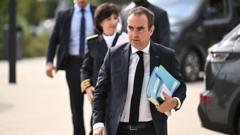
French Prime Minister Under Fire for Wildfire Response
The French Prime Minister encountered significant public criticism regarding the government's handling of the ongoing wildfire response as flames continue to devastate regions throughout Europe. The mounting pressure reflects growing concerns about the adequacy of emergency measures and coordination efforts in tackling the widespread fire crisis affecting multiple countries across the continent.
The criticism emerged during parliamentary discussions and public forums where officials were questioned about response strategies and resource allocation. Citizens and lawmakers alike expressed frustration over what they characterized as insufficient preparedness and delayed action in addressing the escalating wildfire emergency that has impacted communities from France to neighboring nations.
Government Announces Financial Support Package
In response to escalating concerns, the French government unveiled a comprehensive financial assistance initiative on Monday. The Prime Minister announced a €12 million relief package specifically designed to support French regions that have experienced the most severe devastation from the fires. This funding is intended to assist with immediate recovery needs, infrastructure repairs, and support for displaced residents in the hardest-hit areas.
The financial allocation represents a significant commitment from the national government to aid struggling communities. The €12 million package will be distributed according to assessed damage levels across affected regions, with priority given to areas facing the greatest infrastructure loss and humanitarian challenges. Officials indicated that funds would support both emergency response operations and longer-term reconstruction initiatives.
Widespread European Fire Crisis Continues
The wildfire response challenges extend beyond French borders as multiple European nations grapple with unprecedented fire activity. Countries across the continent face similar operational difficulties, resource shortages, and coordination challenges in managing the crisis. The geographical scope of the emergency underscores the severity of conditions and highlights the need for comprehensive regional cooperation.
Fire management agencies report that challenging weather conditions, including prolonged heat waves and drought conditions, continue to fuel rapid fire spread across affected territories. The persistence of these environmental factors creates ongoing operational challenges for emergency responders and complicates efforts to contain and extinguish multiple active fire zones simultaneously.
Response Effectiveness and Future Planning
The criticism directed at the Prime Minister reflects broader questions about governmental effectiveness in crisis management and resource deployment. Political opposition and affected citizens have called for more transparent communication regarding response strategies, resource availability, and long-term prevention measures. These demands suggest that the wildfire response must be accompanied by improved public accountability and clearer emergency protocols.
Government officials have indicated plans to evaluate current response mechanisms and implement improvements for future fire seasons. The assessment will likely focus on resource pre-positioning, inter-agency coordination, and early warning systems designed to enhance overall preparedness across regions most vulnerable to wildfire activity.
Regional Impact and Recovery Efforts
Communities throughout affected regions face lengthy recovery periods requiring sustained financial and logistical support. The €12 million assistance package represents initial relief, though many observers suggest that full recovery will require sustained investment over extended timeframes. Recovery planning must address not only immediate physical reconstruction but also psychological support for residents experiencing significant displacement and loss.
Local authorities continue coordinating with national agencies to assess total damages and determine rehabilitation priorities. These assessments inform resource allocation decisions and help establish timelines for various recovery phases, from emergency response through long-term community restoration efforts.