
Russia and Ukraine Exchange Intense Military Strikes in Ongoing Conflict
Russia and Ukraine report escalating military casualties in latest strikes. Moscow confirms nine deaths while Kyiv reports four casualties in the past 24 hours.
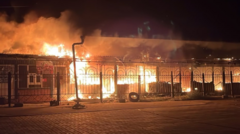
Russia and Ukraine Military Strikes Intensify
The ongoing Russia and Ukraine military strikes continue to inflict significant casualties as both nations report mounting losses. In a concerning escalation of hostilities, Moscow has confirmed that nine individuals lost their lives within a 24-hour period, while Ukrainian officials documented four deaths during the same timeframe. These figures underscore the persistent intensity of military operations along the contested regions.
Casualty Tolls and Reporting Discrepancies
Russia and Ukraine military strikes have become a daily occurrence, with each side providing different casualty assessments. Moscow's declaration of nine deaths reflects the continued impact of Ukrainian counteroffensives on Russian-controlled territories. Meanwhile, Kyiv's report of four fatalities indicates the human toll experienced within Ukrainian positions and civilian areas subjected to Russian bombardment.
The divergence in casualty figures between the two nations is not uncommon in conflict zones. Both Moscow and Kyiv maintain separate military command structures that document losses from their respective viewpoints. Russian officials attribute many of their reported casualties to strikes on military installations and strategic positions, while Ukrainian authorities cite Russian attacks on civilian infrastructure as the primary source of their documented deaths.
Military Operations and Strategic Context
The Russia and Ukraine military strikes demonstrate the relentless nature of modern warfare in Eastern Europe. These military operations extend beyond frontline combat, encompassing drone attacks, artillery bombardments, and airborne assaults that continue to shape the conflict's trajectory. The intensity of these strikes reflects both sides' commitment to maintaining pressure on opposing forces and achieving tactical objectives.
Russian military sources have detailed the locations and nature of recent strikes, claiming successful hits on Ukrainian supply lines and military concentrations. Conversely, Ukrainian defense officials assert that their strikes on Russian positions have disrupted command and control centers, as well as logistics networks crucial to sustaining Russian military operations in the region.
Impact on Civilian Population and Infrastructure
Beyond the direct military casualties, Russia and Ukraine military strikes continue to affect civilian populations and critical infrastructure. Both nations report damage to residential areas, energy facilities, and transportation networks resulting from the ongoing bombardment. These indirect consequences of the military conflict compound the humanitarian crisis facing people across the affected territories.
The 24-hour casualty reports represent merely a snapshot of the broader conflict dynamics. International observers note that actual casualty figures may be substantially higher when accounting for unreported deaths, injuries requiring medical treatment, and long-term psychological trauma affecting survivors. The Russia and Ukraine military strikes thus represent not just immediate losses but sustained pressure on societal structures and human welfare.
Ongoing Military Dynamics
As Russia and Ukraine military strikes persist, military analysts continue monitoring the conflict's evolution. The reported casualties indicate active combat operations across multiple fronts, with both sides deploying advanced weaponry and tactical innovations. The nine deaths reported by Moscow and four by Kyiv within a single day exemplify the continuous cycle of attack and counterattack characterizing the conflict.
Military experts suggest that casualty figures from conflict zones often reflect broader patterns of military engagement rather than isolated incidents. The Russia and Ukraine military strikes documented daily contribute to cumulative attrition affecting both combatant forces and civilian populations. Understanding these patterns provides crucial context for international observers monitoring the conflict's progression and humanitarian implications.