
Russian Opposition Leader Sentenced to 11 Years Prison for Anti-War Stance
Prominent Russian anti-war politician Lev Schlosberg receives 11-year sentence for discrediting army. Court ruling condemned as political persecution by opposit...
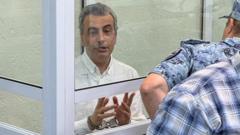
Russian Anti-War Politician Receives Extended Prison Sentence
A prominent Russian anti-war politician has been handed a significant prison sentence following a controversial court verdict, marking another contentious moment in Moscow's treatment of political dissent. The Russian anti-war politician faced charges related to statements regarding military operations, charges that opponents of the ruling have characterized as a systematic campaign against dissenting voices within the country.
The Case Against Lev Schlosberg
Lev Schlosberg, a well-known figure in Russian opposition circles, was found guilty of what authorities describe as "discrediting" Russia's armed forces. The 11-year sentence represents one of the harshest penalties imposed on political critics during this period. The charges stem from public statements and commentary that Schlosberg made regarding the military's operations, statements that he has maintained reflected legitimate political discourse.
Allegations and Legal Arguments
Prosecutors built their case on the assertion that Schlosberg's remarks violated laws concerning the protection of Russia's military reputation. The politician consistently maintained throughout proceedings that his statements represented protected political speech rather than unlawful conduct. Legal experts and human rights organizations have questioned the application of such laws, noting that they appear designed to suppress legitimate criticism of government policies.
International Reaction and Concerns
The conviction has drawn attention from international observers who monitor human rights and freedom of expression. Various international organizations have expressed concern about what they characterize as a troubling pattern of prosecutions targeting political opponents. The case reflects broader tensions within Russian society regarding the limits of acceptable public discourse and political opposition.
Political Context of the Verdict
Schlosberg's prosecution occurs within a context of increasing restrictions on political opposition and criticism of military actions. The Russian anti-war politician had previously been known for his vocal positions against military engagement and his advocacy for alternative political approaches. His conviction represents a significant development in ongoing efforts that critics argue systematically marginalize opposition voices.
Defense Arguments and Statement
The defendant and his legal team rejected the charges throughout the trial, arguing that the prosecution was fundamentally motivated by his political positions rather than by legitimate legal concerns. Schlosberg characterized the verdict as punitive action designed to silence political dissent and discourage others from voicing similar viewpoints. He emphasized that his statements reflected genuine concern about his country's direction rather than any attempt to undermine national security.
Implications for Political Freedom
The conviction raises significant questions about political freedom and the space available for legitimate opposition within Russia's political system. Legal analysts suggest that verdicts of this nature may have a chilling effect on public discourse, discouraging citizens from expressing dissenting views. The case has become a focal point for discussions about whether Russian laws are being applied fairly or whether they serve to restrict political opponents.
The Broader Picture
This Russian anti-war politician's sentencing reflects wider patterns documented by international observers regarding political prosecution in the country. Similar cases involving opposition figures and activists have created concerns among civil liberties organizations. The consistency of such prosecutions has led many international observers to question whether legal systems are being weaponized against political opposition.
Looking Forward
The sentencing of this prominent figure may have long-term consequences for political discourse within Russia. Legal experts anticipate that the verdict could influence future cases involving similar charges, potentially establishing precedents that expand the application of laws governing military criticism. The Russian anti-war politician's case is likely to remain a focal point for discussions about fundamental political freedoms and the nature of justice within the country's legal system.