
Child Rescued Six Days After Venezuela Earthquake in Dramatic Save
A three-year-old child was rescued six days after the Venezuela earthquake and transported to hospital. Watch the dramatic rescue footage from La Guaira state.
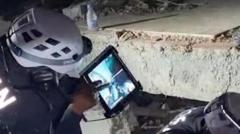
Three-Year-Old Pulled from Rubble Six Days After Venezuela Earthquake
In a remarkable display of determination and hope, rescue teams successfully extracted a three-year-old child from the debris six days after the devastating Venezuela earthquake struck the nation. The dramatic rescue operation in La Guaira state has captured international attention, showcasing the resilience of emergency responders working against time and challenging conditions to save lives in the aftermath of the natural disaster.
The Rescue Operation in La Guaira State
Video documentation of the Venezuela earthquake rescue reveals the exact moment when the young child was pulled from the rubble, with rescue personnel celebrating the successful extraction. The footage captures the intense emotions surrounding this life-saving operation, as professionals worked through the debris field to locate and safely remove the buried victim. The rescue team's efforts underscore the critical importance of sustained search and recovery missions in the days following major seismic events.
Timeline of the Recovery Effort
The six-day window between the initial earthquake impact and the child's discovery represents a lengthy period of continuous searching through unstable wreckage. Rescue coordinators in La Guaira had to navigate hazardous conditions while maintaining hope that survivors could still be found beneath collapsed structures. This extended timeline highlights how survivors can remain trapped in pockets of safety within rubble for extended periods, making continued search efforts essential.
Medical Response and Hospital Care
Following the dramatic extraction, the three-year-old was immediately transported to a medical facility for comprehensive evaluation and treatment. Healthcare providers assessed the child for injuries, dehydration, and other complications that may have resulted from days spent trapped without access to food, water, or adequate shelter. The swift medical intervention following the Venezuela earthquake rescue represents a critical component of the overall emergency response system.
Challenges in Post-Earthquake Recovery
The successful retrieval of this young survivor exemplifies the broader challenges facing rescue teams in earthquake disaster zones. Structural instability, limited access routes, and the sheer volume of rubble complicate search operations significantly. Specialized equipment and trained personnel are essential for conducting safe and effective rescue missions in such hazardous environments, particularly in densely populated areas like La Guaira.
The Importance of Sustained Search Operations
This Venezuela earthquake rescue demonstrates why emergency management protocols call for extended search and recovery phases following major seismic events. International disaster response standards recognize that survivors can remain viable in rubble for extended periods if trapped in protective voids created by collapsed building components. The determination shown by rescue teams in this operation has provided valuable lessons for future disaster response initiatives.
Community Impact and Recovery
The successful rescue of the child has provided an important morale boost to communities affected by the Venezuela earthquake. Stories of survival inspire hope among family members searching for missing relatives and reinforce the critical role played by emergency responders. Local authorities continue coordinating search efforts as the region works toward recovery and reconstruction.
International Disaster Response Standards
The rescue operation reflects international best practices in earthquake response, where teams remain engaged in search and recovery missions well beyond the initial 72 hours following seismic activity. Countries worldwide have learned from past disasters that survivors can be found days after earthquakes occur, justifying the deployment of resources and personnel for extended periods. This Venezuela earthquake rescue validates those protocols and their life-saving potential.
The video documentation of this dramatic rescue will likely become an important reference point for training future emergency responders and reinforcing the value of persistence in disaster response operations.