
France Battles Deadly Heatwave as Drowning Deaths Spike Across Europe
Europe faces unprecedented heat as France reports surging drowning deaths during intense heatwave conditions. Crisis updates and safety measures explained.
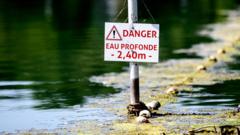
Drowning Deaths Heatwave France Reaches Critical Levels
The drowning deaths heatwave France scenario has become a pressing public health emergency, with Prime Minister Sébastien Lecornu confirming that forty individuals have lost their lives to water-related incidents since the previous Thursday. This alarming surge underscores the severe impact of unprecedented thermal conditions sweeping across the continent during the peak summer months.
The drowning deaths associated with this heatwave represent a significant escalation in fatalities compared to typical seasonal patterns. Authorities attribute the sharp increase to the combination of extreme temperatures driving citizens toward water bodies for relief and inadequate safety precautions taken by heat-exhausted swimmers.
Europe Grapples with Intensifying Heat Conditions
The heatwave gripping Europe has transformed from a regional concern into a continental crisis, affecting multiple nations simultaneously. Countries across the Mediterranean region and Northern Europe alike are experiencing record-breaking temperatures that have prompted governments to issue urgent health warnings and establish emergency protocols.
The thermal situation has created a dangerous paradox: as temperatures soar to life-threatening levels, more people seek refuge in rivers, lakes, and coastal waters. This mass migration toward aquatic environments, coupled with the physical strain that extreme heat places on the human body, has created ideal conditions for tragic incidents to occur.
Understanding the Drowning Crisis Mechanics
Medical experts explain that drowning deaths during heatwaves occur through several interconnected mechanisms. Excessive heat can cause sudden hypotension, cardiac stress, and dehydration, making swimmers vulnerable to unexpected incapacity in water. Additionally, overheated individuals often lose cognitive function and make poor judgment decisions regarding water safety.
The combination of overcrowded bathing areas, insufficient lifeguard coverage, and the prevalence of alcohol consumption during leisure activities compounds the risk factors. Emergency services report responding to calls at unprecedented frequencies, with many locations facing resource constraints due to the simultaneous nature of incidents across geographic regions.
Emergency Response and Government Action
French authorities have mobilized comprehensive emergency measures to address the crisis. Prime Minister Lecornu's office has coordinated with regional governors to enhance lifeguard presence at popular swimming locations, distribute heat-illness prevention information, and establish medical response stations near water bodies.
Public health campaigns have intensified messaging about safe swimming practices during extreme heat conditions. Authorities specifically recommend avoiding water immersion during peak temperature hours, swimming only in supervised areas, and maintaining hydration before and after water activities.
Regional Impact Across European Nations
The heatwave affecting France reflects broader continental patterns affecting neighboring nations. Coastal and inland regions throughout Europe report escalating medical emergencies related to extreme temperature exposure. Spain, Italy, Greece, and Central European countries have similarly documented increased drowning incidents and heat-related mortality statistics.
Health ministries across affected nations have coordinated response strategies, sharing real-time data on mortality patterns and implementing uniform public safety directives. International cooperation has become essential, as the heatwave's scope transcends individual national borders.
Safety Guidelines for Extreme Heat Conditions
Public health officials emphasize specific preventative measures residents should observe. Never swim alone or without proper supervision; avoid water immersion when experiencing dizziness, fatigue, or confusion; stay informed about designated safe swimming areas with adequate lifeguard coverage.
Additionally, individuals should limit water exposure during peak temperature hours, typically between noon and 4 PM. Predication of personal health conditions and medication effects is crucial, as certain prescriptions can increase heat susceptibility and drowning risk.
Looking Toward Climate Preparedness
This crisis has prompted governmental bodies to reassess infrastructure preparedness for future extreme weather events. Emergency management officials stress the necessity of improved monitoring systems, enhanced public education regarding heat-related hazards, and strategic investment in lifeguard services and aquatic safety infrastructure.
The drowning deaths heatwave France incident serves as a sobering reminder of climate change's immediate health consequences and the importance of implementing adaptive strategies to protect vulnerable populations during extreme meteorological events.