
Russian Dictator Cannot Achieve Victory in Ukraine, Says Nobel Laureate
Nobel Peace Prize winner Dmitry Muratov tells BBC that Putin's war strategy in Ukraine has failed after five years of conflict and destruction.
Putin's Military Campaign Faces Insurmountable Obstacles in Ukraine War
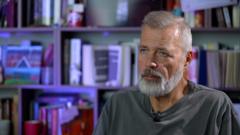
The ongoing Putin Ukraine war has reached a critical juncture where military victory has become an increasingly impossible objective for the Kremlin, according to prominent voices within Russia itself. In a candid conversation with BBC correspondent Steve Rosenberg, Dmitry Muratov, the distinguished Nobel Peace Prize recipient, articulated a sobering assessment of Moscow's position in the protracted Ukrainian conflict.
Muratov's perspective carries significant weight given his extensive experience documenting the Putin Ukraine war through his journalism and activism. His analysis suggests that despite years of military operations and substantial resource commitments, the Kremlin's strategic objectives remain fundamentally unattainable through force.
The Distinction Between Destruction and Conquest
The Nobel laureate drew a critical distinction that encapsulates the current military reality. According to Muratov's assessment, the Kremlin leader possesses only the capability to "destroy Ukraine, not conquer it." This distinction proves crucial in understanding why the Putin Ukraine war has evolved from an anticipated swift campaign into a lengthy and costly engagement.
The capacity for destruction, while devastating to civilian populations and infrastructure, fundamentally differs from the ability to achieve political control and territorial consolidation. Military planners throughout history have learned this difficult lesson: overwhelming destructive power does not automatically translate into sustainable political victory or the establishment of functional governance over contested territories.
Five Years of Conflict Define Modern Warfare
As the Putin Ukraine war enters its fifth year of active combat operations, the conflict has matured beyond initial expectations. What began as a conflict anticipated to conclude within weeks has transformed into a grinding, attritional struggle that has reshaped regional geopolitics and international relations.
The extended timeline of this Ukraine invasion has allowed defenders to organize resistance, establish sustainable military structures, and secure international support. These developments have collectively undermined the initial Kremlin military strategy that presumed rapid capitulation from Ukrainian forces.
Nobel Peace Prize Winner's International Perspective
Dmitry Muratov's standing as a Nobel Peace Prize recipient grants his observations particular credibility on the international stage. Throughout his career, Muratov has maintained journalistic integrity while documenting the complexities of conflict, corruption, and human rights violations across the former Soviet sphere.
His exclusive interview with the BBC represents an important moment in ongoing discourse about the Putin Ukraine war's trajectory. Coming from within Russian civil society, his assessment carries implications for how international observers evaluate the conflict's current status and potential future developments.
Military Realities and Strategic Recalculation
The fundamental military reality that Muratov highlights reflects observations from military analysts worldwide. Controlling territory permanently requires political legitimacy, economic viability, and sustained acceptance from local populations. Destruction alone cannot provide these essential components of successful conquest.
Throughout the Ukraine conflict, observers have documented the disparity between the Kremlin's stated objectives and its demonstrable capacity to achieve them through military means. This gap between ambition and capability increasingly defines the Putin Ukraine war as it continues.
Implications for International Policy
The assessment that the Kremlin cannot achieve victory through current military strategies has significant implications for international policymakers. Understanding that continued warfare primarily serves destructive rather than constructive purposes may influence diplomatic strategies and international responses to the ongoing Ukraine invasion.
As the fifth year of conflict progresses, such candid assessments from credible international figures become increasingly important for informing public understanding and policy discussions regarding the viable paths toward resolution.