
US-Iran Deal Boosts Hormuz Strait Traffic with Record Ship Movement
Dozens of vessels transit Strait of Hormuz following US-Iran agreement. Traffic surge includes 42 ships on Saturday, signaling improved regional stability.
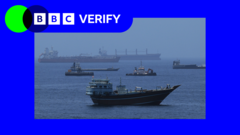
Strait of Hormuz Experiences Significant Traffic Surge
The Strait of Hormuz has witnessed a remarkable increase in maritime activity following the recent US-Iran deal designed to de-escalate regional tensions and bring an end to prolonged conflict. This critical waterway, which serves as one of the world's most vital shipping corridors, is now experiencing substantially higher vessel transit rates as international commerce responds positively to improved diplomatic relations between the two nations.
The uptick in Strait of Hormuz traffic represents a tangible indicator of market confidence in the stability achieved through negotiations. Commercial operators and shipping companies have resumed normal operations at an accelerated pace, reflecting reduced uncertainty about the security of maritime routes in the Persian Gulf region.
Record Weekend Traffic Numbers
On Saturday alone, the Strait of Hormuz saw 42 ships transit through its waters, demonstrating the rapid normalization of shipping patterns. This substantial movement of vessels in a single day underscores the pent-up demand from the shipping industry, which had exercised caution during periods of heightened US-Iran tensions.
The concentration of traffic during this weekend period suggests that shipping companies have been coordinating efforts to resume delayed shipments and reconnect severed supply chains. These operational decisions reflect growing confidence among maritime professionals that the Strait of Hormuz will remain secure for commercial navigation going forward.
Broader Implications for Regional Trade
The sustained increase in Strait of Hormuz vessel movements carries profound implications for global energy markets and international commerce. The waterway typically handles approximately one-third of all seaborne traded oil globally, making its security essential for worldwide economic stability. The resumption of normal traffic patterns suggests that oil suppliers and shipping companies anticipate smoother operations ahead.
International maritime insurance rates, vessel routing decisions, and shipping company financial projections all depend significantly on the security conditions within the Strait of Hormuz. The recent improvements in diplomatic relations have already begun influencing these critical business metrics, encouraging companies to reroute vessels through the traditional and more efficient passage rather than seeking costly alternative routes around the Cape of Good Hope.
Historical Context and Strategic Importance
The Strait of Hormuz has long represented a critical chokepoint in global maritime commerce, with its narrow passages and strategic location making it vulnerable to disruption. Previous periods of elevated US-Iran tensions had prompted some shipping companies to avoid the route entirely, incurring significant additional costs and transit delays for their operations.
The recent diplomatic breakthrough that culminated in the US-Iran deal demonstrates the tangible economic benefits that accompany regional stability and de-escalation. Insurance premiums decline, transit times decrease, and overall shipping costs diminish when maritime routes are perceived as secure and unobstructed.
Market Recovery and Future Outlook
Industry analysts anticipate that Strait of Hormuz traffic will continue its upward trajectory as confidence solidifies around the US-Iran agreement. Shipping schedules are being adjusted to reflect the improved security environment, and companies are making long-term commitments to regular Hormuz passage rather than maintaining contingency alternate-route protocols.
The 42-ship Saturday movement may represent only the beginning of normalized traffic volumes through this essential waterway. As supply chains stabilize and companies complete inventory adjustments, even higher daily transit numbers appear probable in the coming weeks and months.
Economic Significance for Global Commerce
The recovery of normal Strait of Hormuz operations benefits not only regional economies but also global consumers and businesses dependent on uninterrupted energy supplies and efficient maritime commerce. Lower transportation costs translate to more competitive pricing across numerous industries, from manufacturing to retail.
The successful negotiation of the US-Iran deal and its immediate positive effects on maritime traffic demonstrate how diplomatic solutions can generate measurable economic benefits. The renewed flow of vessels through the Strait of Hormuz serves as a concrete indicator that international relations improvements translate directly into improved commercial realities for businesses worldwide.