
Thai Student Witnessed Teacher Shot in School Attack
A Thai pupil recounts standing before her teacher during a fatal school shooting that claimed five educators' lives, expressing fear of never seeing her mother...
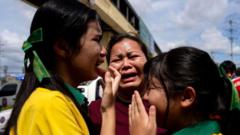
Student's Traumatic Account of School Violence
A Thai school shooting incident has left an indelible mark on the young minds of students who witnessed the tragic events unfold. One pupil has come forward with a harrowing testimony, describing how she was positioned directly in front of her educator at the moment of the attack. The severity of this tragedy is underscored by the fact that the Thai school shooting resulted in the loss of five dedicated teachers' lives.
The emotional toll on students who survived the incident extends far beyond the immediate physical danger. This particular student expressed profound fears about her personal safety and family connections, revealing the psychological impact of witnessing such violence in an environment meant for learning and growth.
Fear and Family Separation
During the chaotic moments following the attack, the young witness struggled with overwhelming anxiety about her loved ones. She disclosed that she harbored intense fears of never reuniting with her mother, a natural human response to experiencing such a catastrophic event. The threat to maternal bonds demonstrates how school violence trauma extends into the deepest personal relationships of affected children.
The psychological aftermath of witnessing colleagues and mentors being killed manifests in various ways among survivors. Students often grapple with survivor's guilt, anxiety about returning to educational settings, and disrupted family dynamics. For this particular pupil, the immediate concern centered on whether she would have the opportunity to see her parent again.
Impact on Educational Institutions
Incidents of this magnitude raise critical questions about safety protocols within Thai educational facilities. The loss of five teachers represents not only a human tragedy but also a significant impact on the school's capacity to function and serve its remaining students. Each educator represents years of training, experience, and dedication to student development.
Educational administrators and policymakers face mounting pressure to implement comprehensive security measures without creating an atmosphere of fear that undermines learning objectives. The challenge lies in balancing protection with the need to maintain schools as welcoming, open environments for knowledge acquisition.
Witnesses and Their Stories
Student testimonies like this one provide valuable insight into the reality of experiencing armed violence in real-time. Rather than abstract statistics, we hear direct accounts of standing before a teacher who became a victim. These narratives help society understand the human dimension of tragedy and the lasting effects on those present during the event.
The act of coming forward to share her experience represents significant courage from this young student. Speaking publicly about trauma, particularly for a child still processing such events, requires considerable emotional strength and support from trusted adults and professionals.
Broader Context and Community Response
Thailand, like many nations, has struggled with occasional incidents of violence within its communities. The Thai school shooting serves as a stark reminder of the vulnerability of institutions traditionally considered safe havens for children. Community response typically involves both immediate crisis intervention and longer-term support systems for survivors.
Mental health professionals have emphasized the importance of providing trauma-informed care to all affected individuals, from students and teachers to families and emergency responders. The psychological wounds from such events can persist for years without proper intervention and support.
Moving Forward After Tragedy
Recovery from incidents involving mass casualties within educational settings is complex and multifaceted. It requires not only physical rebuilding of damaged facilities but also emotional and psychological healing of traumatized individuals and communities. The testimony of survivors becomes crucial in documenting what occurred and honoring those who lost their lives.
Educational institutions must work in partnership with mental health services, law enforcement, and community organizations to create holistic recovery plans. For students like the one who witnessed her teacher's death, ongoing support and counseling services are essential components of the healing journey ahead.