
DR Congo Sues Rwanda at International Court Over Longstanding Conflict
DR Congo takes Rwanda to the International Court of Justice alleging violations since 1994. Kinshasa demands accountability for decades of border disputes and m...
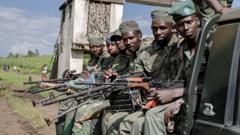
DR Congo Rwanda International Court Case Filed
The Democratic Republic of Congo has formally initiated legal proceedings against Rwanda at the DR Congo Rwanda international court, marking a significant escalation in bilateral tensions between the two neighboring African nations. This unprecedented move brings longstanding grievances to the international legal arena, where Kinshasa will present evidence of systematic violations spanning nearly three decades.
The lawsuit encompasses a comprehensive set of accusations spanning from the aftermath of the 1994 Rwandan genocide through contemporary times. Congolese authorities assert that Rwanda has repeatedly violated international law through various mechanisms, including military incursions, territorial encroachment, and support for armed groups operating within Congolese territory. These allegations represent the culmination of decades of diplomatic friction and military confrontation.
Historical Context of Regional Instability
The relationship between these two Central African nations has been strained since the horrific events of 1994. Following the Rwandan genocide, which claimed approximately 800,000 lives, the geopolitical landscape of the Great Lakes region underwent dramatic transformation. Rwanda's recovery and subsequent military development created new dynamics in regional power structures.
Throughout the 1990s and 2000s, the Congo Rwanda conflict manifested through multiple armed rebellions and proxy warfare within Congolese territory. Eastern Democratic Republic of Congo became a flashpoint for regional instability, with various rebel groups operating with alleged backing from neighboring states. These conflicts have displaced millions of civilians and created humanitarian catastrophes.
Specific Allegations in the Legal Action
Kinshasa's case details multiple categories of alleged violations. The government accuses Rwanda of directly participating in military operations, funding insurgent movements, and violating Congo's territorial sovereignty. Additionally, Congolese authorities claim that Rwanda has impeded international peacekeeping operations and obstructed humanitarian access to affected populations.
The Rwanda genocide aftermath continues influencing regional dynamics, as post-conflict trauma intersected with resource competition and ethnic tensions. Eastern Congo's mineral wealth has fueled ongoing conflicts, with neighboring states allegedly exploiting the instability to extract valuable resources including gold, coltan, and cobalt.
International Legal Implications
Filing at the International Court of Justice represents Congo's commitment to pursuing remedies through established international mechanisms rather than military escalation. The court, headquartered in The Hague, Netherlands, serves as the principal judicial organ of the United Nations, handling disputes between sovereign nations.
This case raises fundamental questions regarding international law violations in African contexts. The proceedings will examine whether Rwanda's actions constitute aggression, support for armed groups, or violations of the UN Charter. Legal experts anticipate the case will set important precedents for addressing regional conflicts and accountability mechanisms in Africa.
Broader Implications for African Stability
The case underscores persistent challenges facing the African continent regarding conflict resolution and interstate cooperation. The Democratic Republic of Congo, despite possessing vast natural resources, has struggled with instability partly attributed to external interference. Rwanda's development trajectory, conversely, demonstrates how countries can rebuild after catastrophic conflict.
The African border disputes category encompasses numerous unresolved territorial and resource-sharing disagreements across the continent. Congo and Rwanda's case exemplifies how historical grievances, resource competition, and strategic interests complicate bilateral relations. Regional organizations like the African Union face mounting pressure to mediate such disputes effectively.
Path Forward and Expected Outcomes
The International Court of Justice process typically involves written pleadings, oral arguments, and extensive documentary evidence review. The case may require several years to reach conclusion, during which both nations will present their legal positions and supporting evidence. Potential remedies may include territorial adjustments, financial compensation, or binding behavioral commitments.
The proceedings demand that both nations provide detailed documentation of alleged violations, military operations, and resource transfers. International observers from diplomatic corps, human rights organizations, and academic institutions will monitor proceedings closely. The case's outcome could influence future dispute resolution mechanisms within Africa and establish precedents for addressing regional conflicts through judicial channels rather than military confrontation.