
Canada Wildfire Evacuations: Thousands Face Uncertain Futures After Okanagan Blaze
Over 12,000 evacuees in Canada's Okanagan region grapple with uncertainty as devastating wildfires destroy homes. Learn how communities are coping with the cris...
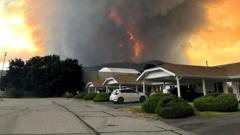
Massive Evacuation Underway in Canada's Okanagan Region
A catastrophic Canada wildfire evacuations event has displaced more than 12,000 residents across the picturesque Okanagan region, leaving entire communities in a state of profound uncertainty. The unprecedented scale of this wildfire emergency has forced authorities to implement large-scale evacuation protocols, with families abandoning their properties and possessions as flames advance across the landscape. This represents one of the most significant Canada wildfire evacuations incidents in recent memory, affecting thousands of households across multiple municipalities.
The situation has become increasingly dire as residents face the agonizing reality that their homes may no longer exist. Many evacuees have expressed their fears about returning to find nothing but ashes where their family residences once stood. The emotional toll of this uncertainty weighs heavily on displaced families, who find themselves living in temporary shelters and emergency accommodations while waiting for official assessments of their properties.
Residents Confront Devastating Property Loss
The wildfire has claimed numerous structures, with confirmed reports of homes being completely destroyed by the advancing flames. Property owners who evacuated their residences face an excruciating waiting period as firefighting efforts continue and damage assessments are conducted. The loss extends beyond residential homes, with reports indicating that cabins, outbuildings, and other structures have also been consumed by the fire.
Community members have described their experiences as harrowing and surreal, with several individuals recounting moments when they narrowly escaped danger. One evacuee remarked on the frequency of dangerous situations, noting that residents have "had a lot of close calls" during the evacuation process. These near-miss experiences underscore the severity of the wildfire threat and the speed with which conditions can deteriorate in affected areas.
The Okanagan Wildfire Crisis: Scale and Impact
The Okanagan region, renowned for its natural beauty and residential appeal, now faces one of the most serious environmental disasters in its recent history. The wildfire has ravaged vast stretches of terrain, destroying forests, grasslands, and developed areas indiscriminately. The smoke and ash have blanketed the region, affecting air quality and creating hazardous conditions for those who remained or returned to assist with emergency operations.
Emergency services have mobilized significant resources to combat the spreading flames and coordinate the massive evacuation effort. Firefighters and emergency personnel are working around the clock to contain the blaze and protect remaining structures. The coordination of this large-scale emergency response has tested the capacity and resilience of local and provincial authorities.
Community Response and Recovery Challenges
As the wildfire continues to rage, communities throughout the Okanagan are grappling with the psychological and practical challenges of displacement. Schools have been closed, businesses shuttered, and public services disrupted. The economic impact of the wildfire extends far beyond property damage, affecting local commerce, tourism, and employment opportunities throughout the region.
Residents who evacuated are receiving assistance from emergency management agencies, non-profit organizations, and community groups. Temporary shelters have been established to house displaced families, though the accommodations provide only minimal comfort to those separated from their homes. Mental health resources and counseling services have been activated to support evacuees coping with trauma and anxiety.
Looking Ahead: Uncertainty and Recovery
The timeline for resolving this crisis remains unclear. Once firefighting efforts contain the wildfire, the work of assessing damage and rebuilding will begin in earnest. Insurance adjusters will need to evaluate properties, determine coverage, and process claims. For many residents, the recovery process will extend for months or even years.
The Okanagan wildfire serves as a stark reminder of the vulnerability of communities to natural disasters and the importance of preparedness and resilience planning. As climate change continues to influence weather patterns and fire conditions, regions like the Okanagan may face increasingly severe wildfire threats in future seasons. This crisis will likely prompt discussions about land management, building codes, evacuation procedures, and community preparedness strategies moving forward.