
Spain Faces Migrant Crisis: EU Summit Convened on Ceuta Border
The European Union emergency meeting addresses escalating migrant crossings at Ceuta, highlighting tensions between Spain and EU member states over border secur...
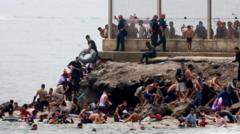
Emergency EU Summit Tackles Ceuta Border Crisis
The European Union has initiated an urgent diplomatic summit to address the escalating situation regarding migrant crossings at Ceuta, Spain's strategic enclave on the North African coast. Rising tensions between Spain and fellow EU member states have prompted this high-level intervention, as authorities grapple with an unprecedented surge in arrivals seeking entry into European territory through the heavily trafficked maritime and land routes.
Spain and EU States at Odds Over Migration Response
Diplomatic exchanges between Spanish officials and their European counterparts have grown increasingly strained following the recent influx affecting the autonomous city. The disagreements center on responsibility-sharing mechanisms, border management protocols, and resource allocation for processing and housing migrants attempting to cross into Ceuta from Morocco. Spain has emphasized the disproportionate burden placed on its southern enclaves, while other EU nations debate the appropriate collective response framework.
The Geopolitical Significance of Ceuta
Ceuta represents a unique geographical and political flashpoint within European borders, positioned as Spain's autonomous city on the Moroccan coast and serving as one of the EU's primary entry points for migrants from North Africa and sub-Saharan regions. The enclave's strategic location makes it particularly vulnerable to migratory pressures, creating complex humanitarian and security challenges that extend beyond bilateral Spanish-Moroccan relations to involve broader EU policy implications.
Rising Migration Numbers and Humanitarian Concerns
The accelerating migrant crossings into Ceuta have raised alarm bells within European institutions and national governments alike. Humanitarian organizations operating in the region have documented increasing numbers of vulnerable individuals, including minors and families, attempting dangerous journeys across sea routes and terrestrial borders. These movements reflect broader migration patterns driven by economic disparities, political instability, and conflict in countries throughout Africa and the Middle East, propelling desperate populations toward perceived opportunities within European Union member states.
Policy Challenges and Regional Security
The EU emergency meeting underscores fundamental disagreements regarding migration policy harmonization. Member states must reconcile competing interests: maintaining humanitarian commitments while ensuring border security, supporting frontline nations like Spain while distributing responsibility equitably, and crafting sustainable solutions addressing root causes of migration. The Ceuta situation exemplifies these tensions, requiring coordinated action that balances legal immigration frameworks with emergency response capabilities and long-term strategic planning.
Looking Forward: Multilateral Solutions
European officials recognize that addressing migrant crossings at Ceuta demands comprehensive approaches involving cooperation with Morocco, investment in development initiatives reducing migration pressure, and reformed asylum processing systems. The emergency summit represents an opportunity to establish unified EU protocols, strengthen bilateral partnerships, and demonstrate political will to manage one of contemporary Europe's most persistent policy challenges while maintaining credibility on human rights and international obligations.