
Zimbabwe Lawmakers Extend Presidential Term in Controversial Vote
Zimbabwe's parliament approves bill extending president Emmerson Mnangagwa's term by two years and eliminates direct presidential elections in major constitutio...
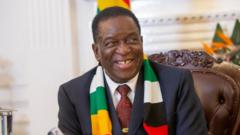
Parliamentary Decision on Extended Presidential Authority
Zimbabwe's legislative body has approved a contentious measure to extend presidential term limits, marking a significant development in the country's political landscape. The initiative would prolong Emmerson Mnangagwa's tenure in office while fundamentally altering the nation's electoral mechanisms. This constitutional modification represents one of the most substantial shifts to Zimbabwe's governance structure in recent years.
Details of the Term Extension Proposal
The approved legislation contains two primary provisions that reshape executive authority. First, the measure would add an additional two years to the current presidential mandate, effectively postponing the scheduled transition of power. Second, the bill eliminates the direct presidential election system that has characterized Zimbabwean democracy, replacing it with an alternative selection mechanism.
The parliamentary vote demonstrated substantial support among lawmakers, with the majority faction backing the constitutional changes. This legislative action comes amid ongoing discussions about democratic governance and electoral procedures within the nation. The constitutional amendment would require implementation through additional procedural steps before taking full effect.
Impact on Electoral Framework
The elimination of direct presidential elections represents perhaps the most controversial aspect of this legislative initiative. Under the current system, citizens directly cast ballots for their preferred presidential candidate. The proposed changes would fundamentally transform this process, introducing an indirect selection method that would shift voting power dynamics significantly.
Constitutional amendments of this magnitude typically generate substantial debate within political circles and among civil society organizations. The removal of direct electoral participation represents a departure from established democratic practices that have been in place for multiple election cycles. Political analysts suggest this modification could reshape the political balance across multiple governance levels.
Executive Leadership Context
President Mnangagwa has led the nation since 2017, following a significant political transition during that year. The proposed term extension would keep him in office beyond the timeframe originally established when he assumed leadership. His administration has pursued various policy initiatives while facing both domestic and international scrutiny regarding governance matters.
The extend of executive authority through legislative action demonstrates the political influence wielded by the ruling party within the parliament. Multiple lawmakers from the governing coalition supported the measure, providing the numerical advantage necessary for passage. Opposition voices raised concerns about the democratic implications of the proposed changes.
Reactions and Political Considerations
The parliamentary decision has generated diverse responses across the political spectrum. Supporters argue that the extended term would allow for policy continuity and completion of long-term development initiatives. Critics contend that such constitutional modifications undermine democratic principles and concentration of executive power without expanded public participation.
International observers have closely monitored these legislative developments, as constitutional changes affecting electoral systems attract global attention. The modification to presidential selection procedures may influence Zimbabwe's standing within regional organizations and international governance assessments.
Constitutional Framework Implications
Zimbabwe's constitutional structure, established in 2013, has been subject to multiple amendments since adoption. This latest modification continues a pattern of constitutional adjustments that have shaped the country's political evolution. The amendments require various procedural confirmations before becoming legally binding provisions.
The legislative approval represents completion of a significant procedural step, though additional institutional actions remain necessary. Political stakeholders continue evaluating the practical implications these changes would create once fully implemented. The modification extends governmental authority while introducing structural changes to electoral participation mechanisms across the nation.