
Lebanese Conservationist Mona Khalil Dies in Israeli Strike
Mona Khalil, a dedicated Lebanese turtle conservationist, lost her life following an Israeli military strike. Learn about her legacy protecting coastal wildlife...
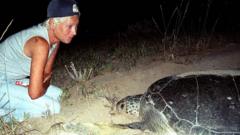
Lebanese Turtle Conservationist Mona Khalil Killed in Military Strike
A prominent Lebanese turtle conservationist named Mona Khalil has tragically lost her life following an Israeli military strike. The death of this dedicated environmental activist marks a significant loss for the regional conservation community and highlights the ongoing conflicts affecting wildlife protection efforts in the Middle East.
Khalil's Unwavering Commitment to Beach Protection
Mona Khalil had established herself as a leading figure in marine turtle conservation throughout Lebanon. For years, she devoted her career to safeguarding critical nesting beaches where endangered sea turtles come to reproduce. Her work represented a crucial component of regional biodiversity preservation initiatives.
Despite escalating security concerns and repeated warnings to evacuate, Khalil made the deliberate decision to remain on the beach she had dedicated so much time protecting. This commitment reflected her deep conviction regarding the importance of continuous monitoring and care for the fragile ecosystems under her guardianship.
The Impact of the Israeli Strike
The Lebanese turtle conservationist sustained fatal injuries as a direct result of the Israeli military operation. Khalil's determination to stay at her post, even as dangers mounted, ultimately proved fatal. Her decision to remain underscores the real risks environmental workers face when conflicts intersect with conservation zones.
Legacy of Environmental Advocacy
Throughout her career, Khalil emerged as an inspirational figure for conservation advocates across Lebanon and neighboring regions. Her work extended beyond simple species protection; she engaged in broader efforts to educate local communities about marine biodiversity and the ecological significance of protected coastal areas.
The Lebanese turtle conservationist had worked tirelessly to establish protocols and regulations protecting nesting sites. These efforts contributed to increased awareness regarding the vulnerability of sea turtle populations in Mediterranean waters and Eastern coastal regions.
Challenges Facing Marine Conservation
The death of Mona Khalil highlights the precarious situation facing environmental professionals operating in conflict-affected areas. Conservation work requires sustained presence and long-term commitment to monitoring populations and protecting habitats. However, military operations and security threats create impossible circumstances for dedicated activists attempting to maintain their conservation responsibilities.
Marine turtle protection initiatives depend upon individuals willing to invest significant time and resources in unglamorous field work. These efforts remain essential despite the dangers posed by geopolitical instability and military activities that can suddenly transform once-secure research zones into hazardous environments.
International Conservation Community Response
Environmental organizations worldwide have recognized the significance of Khalil's contributions to turtle conservation. Her passing represents not merely the loss of an individual conservationist but the disruption of ongoing research and protection programs that she had developed over many years of dedicated service.
The Lebanese turtle conservationist's work had contributed valuable scientific data regarding species behavior, population dynamics, and environmental conditions affecting marine reptile survival. This knowledge base represents accumulated expertise that cannot easily be replaced or recreated.
Broader Implications for Coastal Protection
Khalil's story underscores the intersection between environmental conservation and human security. In regions experiencing military conflict, the protection of natural ecosystems becomes increasingly complicated. Research stations, protected beaches, and conservation infrastructure may become casualties of military operations, regardless of their humanitarian or scientific significance.
The death of this determined Lebanese turtle conservationist serves as a sobering reminder of the personal costs borne by environmental advocates committed to their work despite overwhelming obstacles. Her legacy will persist through the conservation initiatives she established and the inspiration she provided to others working toward marine ecosystem protection.