
Wes Streeting Tackles Homophobic Abuse as Defence Secretary
Defence Secretary Wes Streeting addresses wave of homophobic abuse since appointment, highlighting progress in military inclusion and diversity challenges.
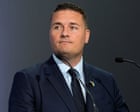
Defence Secretary Confronts Homophobic Abuse Following Appointment
Wes Streeting, who recently assumed the position of Defence Secretary, has publicly acknowledged experiencing substantial homophobic abuse since taking office last month. The senior government minister has characterised the volume of hateful messages as extraordinary, while simultaneously recognising that his appointment has been perceived by certain individuals within the Ministry of Defence as a meaningful symbol of institutional evolution and cultural transformation.
Historical Context: Military Exclusion of LGBTQ+ Personnel
The appointment of Streeting to this prominent role carries particular significance when viewed against the UK military's historical treatment of gay and lesbian service members. Prior to the year 2000, both gay men and lesbian women faced an explicit prohibition on military service, representing decades of systematic exclusion based solely on sexual orientation. During this discriminatory period, the armed forces discharged approximately 200 or more personnel annually purely because of their sexuality. The exact figures remain incomplete, as comprehensive record-keeping protocols were not consistently maintained during this era of institutional discrimination.
Challenging Stereotypes and Demonstrating Leadership Strength
Despite the challenging circumstances surrounding his appointment, Streeting has framed his role as an opportunity to demonstrate resilience and directly confront long-standing prejudices. He has emphasised that stereotypes regarding LGBTQ+ individuals persist in what he describes as the darker recesses of internet spaces, where anonymity enables individuals to express discriminatory views without accountability. The Defence Secretary views his position as a platform to challenge these outdated perceptions and prove that sexual orientation is entirely irrelevant to an individual's capacity for effective leadership and military service.
Progress and Ongoing Challenges Within Defence Institutions
Streeting's appointment represents a notable milestone in the UK's journey toward comprehensive military inclusivity. The contrast between current policy and historical practice is stark. While the formal ban was lifted over two decades ago, the cultural shift within defence institutions has been gradual. His elevation to such a prominent role signals that merit and capability, rather than personal characteristics unrelated to professional performance, should determine advancement within the armed forces hierarchy.
However, the persistence of homophobic abuse directed at a senior government official demonstrates that institutional policy changes do not automatically translate to complete cultural transformation. The experiences Streeting has documented highlight the reality that prejudice, while no longer formally embedded in military regulation, continues to influence individual behaviour, particularly within less regulated online environments where individuals can express discriminatory sentiments without facing consequences.
The Significance of Visible LGBTQ+ Representation in Leadership
The appointment of an openly gay individual to the Defence Secretary position carries symbolic weight extending beyond the office itself. For LGBTQ+ service members and potential recruits, visible representation in senior leadership positions communicates that the institution has genuinely evolved beyond its discriminatory past. Such appointments demonstrate that sexual orientation will not constitute a barrier to career advancement or assumption of responsibility.
Conversely, the homophobic abuse Streeting has encountered since assuming office reveals that public visibility as an LGBTQ+ leader inevitably attracts negative responses from individuals who have not reconciled themselves to changing social norms regarding sexual orientation and LGBTQ+ inclusion. This phenomenon highlights the distinction between institutional policy and individual prejudice—the former can be changed through legislative action, while the latter requires ongoing cultural engagement and education.
Future Implications for Military Culture and Diversity
The Defence Secretary's willingness to publicly address the homophobic abuse he has experienced sets a precedent for future leaders. Rather than minimising or concealing such incidents, his open acknowledgment contributes to broader conversations about the need for continued progress in military culture. His approach suggests that leadership in defence institutions will require not only strategic and operational expertise but also a commitment to championing inclusive environments where all personnel, regardless of sexual orientation, can serve with dignity and without fear of persecution.
The presence of LGBTQ+ individuals in leadership positions within the military, combined with institutional policies supporting inclusion, creates conditions for generational change in organisational culture. As younger service members witness leadership diversity, attitudes regarding sexual orientation and gender identity within defence institutions may evolve more rapidly than historical patterns suggest.