
Labour Retains London Seat, Signals Revival Among Leftwing Voters
Labour wins Holborn and St Pancras byelection with 45%, polling 15 points ahead of Greens after Starmer's resignation as PM.
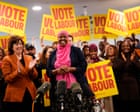
Labour Secures Victory in Holborn and St Pancras Byelection
The Labour party has achieved a significant victory in the Holborn and St Pancras byelection, marking an important moment for the party's recovery among disaffected voters on the political left. Sagal Abdi-Wali, Labour's candidate, secured 45% of the vote in the contested race, successfully defending the seat that was previously held by former Prime Minister Keir Starmer in north London.
This byelection win represents a crucial turning point for Labour following Starmer's resignation as PM and reflects the party's renewed appeal to progressive voters who had grown disillusioned during the previous administration. The result demonstrates that Labour maintains a strong foothold in traditionally supportive constituencies and can mobilise its core base effectively.
Defeating Green Party Challenger Zack Polanski
Labour's byelection success came at the expense of the Green Party's Zack Polanski, who finished in second place with 33% of the vote. Polanski, leading the Green Party himself, had positioned his candidacy as an alternative for environmentally conscious and left-leaning electors, yet failed to capitalise on perceived Labour vulnerability.
The defeat underscores shifting dynamics within progressive politics in the United Kingdom. While the Greens had previously enjoyed a polling advantage over Labour, the byelection results reveal a reversal of this trend. The party now finds itself 15 points behind Labour in national polling figures, suggesting that voters are reconsidering their electoral choices and returning to the mainstream Labour party fold.
Reclaiming Disillusioned Leftwing Voters
Labour's deputy leader emphasised that the byelection victory signals the party's successful effort to reclaim voters from the left who had become alienated under Starmer's tenure as Prime Minister. These voters represent a crucial demographic for Labour's electoral prospects, particularly in urban constituencies where progressive politics traditionally hold significant sway.
The win suggests that recent changes in Labour's leadership and direction have resonated with sections of the electorate that felt abandoned during the previous administration. Many leftwing activists and voters had migrated toward alternative parties, including the Greens, but this byelection indicates a potential reversal of that trend as Labour repositions itself within the political landscape.
Turnout and Electoral Context
The byelection took place amid relatively modest voter turnout, which is a common characteristic of such contests between general elections. Despite lower participation rates, Labour's commanding 45% share demonstrates robust support among those who did cast ballots. The low turnout, while typical for byelections, means that the actual number of voters was considerably smaller than in general election scenarios.
Holborn and St Pancras has traditionally been a safe Labour seat, reflecting the progressive demographics and political preferences of north London voters. The seat's recent representation by Keir Starmer, who went on to become Prime Minister, added particular significance to this contest and heightened media attention surrounding the outcome.
Implications for Labour's Political Recovery
This byelection victory carries substantial implications for Labour's broader political strategy and electoral prospects. Winning back leftwing voters represents a critical objective for the party as it seeks to rebuild confidence among sections of its traditional support base. The swing away from the Greens toward Labour suggests that voters may be consolidating behind the major opposition party rather than fragmenting their support across multiple progressive alternatives.
The 15-point polling lead over the Greens reflects Labour's strengthened position in contemporary British politics. This positioning could prove decisive in future electoral contests, as it allows Labour to present itself as the dominant force for progressive change while marginalising the Green Party's electoral appeal in mainstream elections.
Conclusion
Labour's triumph in the Holborn and St Pancras byelection demonstrates the party's capacity to recover ground among leftist voters following Starmer's departure from the Prime Minister's office. With Sagal Abdi-Wali securing 45% of votes against Green Party leader Zack Polanski's 33%, Labour has evidently succeeded in reasserting its appeal to progressive constituencies. As polling data shows Labour ahead of the Greens by 15 points, the byelection victory reinforces the broader narrative of Labour's rehabilitation within British politics and its renewed ability to mobilise core supporters effectively.