
British Right Rejects Trump's Putin 'Friend' Comment
Reform UK and Conservatives distance from Trump after US president calls Putin 'friend'. Learn why British political parties condemned the controversial endorse...
British Political Parties Reject Trump's Putin Endorsement
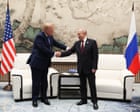
The Trump Putin friendship controversy has sparked sharp criticism from British political circles. Reform UK and the Conservative Party have publicly distanced themselves from Donald Trump following his social media post depicting himself alongside Vladimir Putin, accompanied by the caption "My friend."
This latest Trump Putin friendship statement represents a significant diplomatic gesture that has drawn intense scrutiny from political leaders across the United Kingdom. The American president's characterization of his relationship with the Russian leader has become a focal point for international debate regarding foreign policy alignment.
Reform UK Deputy Leader Speaks Out
Reform UK's deputy leader has issued a forceful statement condemning the Trump Putin friendship remarks. The senior party official characterized Putin as "a murderous dictator," emphasizing the stark moral distinction between the Russian leader's actions and any claim of friendly relations.
This response reflects growing concern within British political establishments about how such statements might be perceived internationally. The Trump Putin friendship characterization has been viewed by many as controversial given the geopolitical tensions and allegations surrounding the Russian government's conduct.
Context from Recent International Summits
Trump's recent comments about Putin came during the Asia-Pacific Economic Cooperation summit held in Shenzhen, southern China. During this high-profile diplomatic gathering, the American president not only met with Putin but also held discussions with Chinese president Xi Jinping.
The timing and context of these meetings have added complexity to the international response. Trump's willingness to publicly describe Putin as a friend, particularly in multilateral diplomatic settings, has raised questions about American foreign policy direction and its alignment with traditional Western alliance values.
Conservative Party Response
The Conservative Party has also joined Reform UK in expressing concern about Trump's characterization of his relationship with Putin. British conservative politicians have emphasized the importance of maintaining clear moral and strategic positions regarding authoritarian regimes.
The party's response underscores broader concerns within traditional British political circles about maintaining consistency in values-based foreign policy. The Trump Putin friendship narrative conflicts with long-standing Western positions on Russian government actions and international conduct.
Broader Implications for Western Alliance
This incident highlights ongoing tensions regarding how Western leaders engage with authoritarian figures. The Trump Putin friendship characterization has prompted debate about diplomatic protocol, moral clarity, and strategic alliances in contemporary international relations.
British political observers have noted that such public expressions of friendship with leaders accused of human rights violations present challenges for Western unity and credibility. The response from Reform UK and Conservative politicians reflects these broader concerns about consistency in democratic values.
International Diplomatic Reactions
The Trump Putin friendship statement comes amid continued international scrutiny of relations between democratic and authoritarian nations. Political analysts suggest that public expressions of friendship between world leaders carry significant symbolic weight beyond their literal diplomatic meaning.
British political figures have emphasized that while diplomatic engagement remains important, it should not involve endorsements that appear to minimize concerns about authoritarian conduct or human rights records. The Trump Putin friendship characterization has thus become emblematic of larger debates about how democracies should engage with authoritarian states.
The British political establishment's response demonstrates the continuing importance placed on maintaining clear distinctions between diplomatic necessity and public endorsement of authoritarian leaders, particularly in statements that could influence international perceptions and expectations.