
UK Emergency Stockpile Campaign Boosts Bottled Water Sales
UK government's Be Ready campaign drives surge in bottled water, tinned food, and emergency supply purchases as households prepare for potential crises.
Government Emergency Campaign Triggers Bottled Water Sales Increase
The UK government's recent emergency preparedness initiative has sparked a significant surge in bottled water sales and related emergency supplies across the nation. Following official guidance urging households to prepare for potential emergencies, retailers have witnessed unprecedented demand for essential items designed to sustain families during crisis situations lasting up to three days.
The Be Ready campaign, officially launched to encourage residential preparedness, has fundamentally altered consumer purchasing patterns. The initiative specifically targets vulnerable periods when infrastructure disruptions or severe weather events might compromise access to essential services and utilities.
Retail Response to Emergency Preparedness Demand
Major retail chains throughout the United Kingdom have documented substantial increases in purchases of bottled water alongside complementary emergency supplies. Store managers report that the campaign's messaging has resonated strongly with consumers concerned about potential infrastructure vulnerabilities and climate-related disruptions.
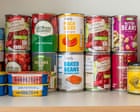
Beyond bottled water, retailers have observed heightened interest in tinned foods offering extended shelf life. These non-perishable options provide practical solutions for households seeking to maintain adequate nutrition during periods when normal food distribution channels might be compromised. The combination of bottled water and tinned goods represents a comprehensive approach to emergency food security.
Expanded Product Categories See Notable Growth
The emergency supply market has expanded well beyond conventional food and water provisions. Wind-up radios and torches have emerged as particularly popular items among consumers responding to government guidance. These battery-independent devices offer critical communication and lighting capabilities during potential power outages caused by extreme weather events or cyber-attacks.
Wind-up technology provides households with reliable alternatives to electrically-dependent equipment, ensuring access to emergency broadcasts and essential information when conventional power infrastructure fails. Retailers emphasize that these portable devices complement bottled water and tinned food supplies within comprehensive emergency kits.
Government Guidance Shapes Consumer Behavior
The official Be Ready campaign represents a coordinated effort to enhance national resilience against multiple emergency scenarios. Government advisories specifically recommend maintaining adequate supplies sufficient for 72-hour periods when external assistance or normal service resumption might be delayed. This timeframe has become the standard reference point for household emergency planning across the country.
By establishing clear preparedness guidelines, government messaging has provided consumers with concrete targets for stockpiling activities. Households have responded enthusiastically, recognizing that maintaining bottled water reserves and emergency supplies represents prudent precautionary planning rather than excessive concern.
Emergency Preparedness Addresses Multiple Risk Scenarios
Government recommendations acknowledge diverse potential threats requiring household resilience measures. Extreme weather events, including severe storms and flooding incidents, can disrupt essential infrastructure and isolate communities temporarily. Simultaneously, escalating cyber-security threats pose risks to interconnected systems managing utilities and services.
The comprehensive approach embodied in official guidance encourages households to prepare for scenarios where external support systems might fail temporarily. Bottled water represents an essential foundation for any emergency kit, as water supply interruptions create immediate health risks. Tinned foods offering nutritional value without refrigeration complement water supplies effectively.
Market Trends Reflect Growing National Awareness
Retail data indicates that consumer interest in emergency preparedness has transcended previous limited engagement with survival topics. Mainstream households across diverse demographic groups are actively purchasing bottled water and related supplies, suggesting widespread acceptance of preparedness principles.
Supermarket chains report stockouts of popular bottled water brands in certain regions, demonstrating the intensity of consumer response. Logistics teams have increased distribution frequencies to maintain inventory levels meeting heightened demand. Retailers note that purchasing patterns suggest sustainable engagement with emergency planning rather than temporary panic buying.
Long-Term Implications for Household Planning
The Be Ready campaign appears to have fundamentally shifted public attitudes toward emergency preparedness. Rather than treating supply stockpiling as marginal activity undertaken by specialist enthusiasts, households now recognize preparedness as mainstream responsible planning. The normalization of bottled water purchases and tinned food stockpiling reflects broader cultural acceptance of resilience-building practices.
Consumer behavior indicates that government messaging successfully communicated preparedness importance without triggering anxiety or excessive alarm. The measured response demonstrates public confidence in recommended guidance while acknowledging legitimate risks requiring practical preparation. Retailers anticipate sustained elevated demand as households establish baseline emergency supplies and maintain replenishment habits.