
Donate Blood Today and Your Body to Science Tomorrow
Discover how to donate blood and register your body for medical science in the UK. Learn about life-saving contributions and organ donation options available no...
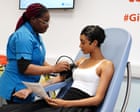
Contributing to Medical Science: Blood and Body Donations
Blood donation programs represent one of the most immediate and impactful ways citizens can contribute to saving lives within their communities. Coupled with the option of body donation to medical institutions, individuals have multiple pathways to make meaningful contributions that extend both during their lifetime and beyond. The dual approach of blood donation combined with body donation creates a comprehensive framework for supporting healthcare advancement and emergency medical services.
Understanding Blood Donation Programs in the UK
Regular blood donation has become increasingly important as healthcare systems worldwide face ongoing shortages. In the United Kingdom, individuals can donate blood through established medical facilities and donor centers. The process involves a simple screening procedure followed by a straightforward collection process that takes approximately one hour. Blood donors contribute not only whole blood but also specialized components including plasma, which possess unique therapeutic properties for treating various medical conditions.
The impact of consistent blood donation cannot be overstated. Each donation potentially saves multiple lives through transfusions required for surgery patients, trauma victims, and individuals suffering from chronic blood disorders. People who maintain regular donation schedules, even after reaching traditional retirement ages, demonstrate the sustained commitment necessary to maintain adequate blood supply levels. With changing employment landscapes and extended working years, older adults now have opportunities to continue contributing through regular donation programs.
Body Donation to Medical Science
Beyond lifetime contributions, body donation represents another significant avenue for supporting medical advancement. When individuals register their bodies for medical science donation, they enable crucial educational and research initiatives at universities and medical institutions. The process involves registering with authorized body donation programs in the United Kingdom, which maintain detailed records and coordinate with medical schools and research facilities.
Family members can also arrange body donations on behalf of loved ones who have passed away, provided proper documentation and consent procedures have been completed. This option allows families to honor their relatives' memory while facilitating medical education that will train future healthcare professionals. Many individuals who have made the decision to donate their bodies find comfort knowing their contribution will directly impact generations of medical students and researchers.
Connecting Blood Donation with Body Donation
The synergy between blood donation during life and body donation after death creates a comprehensive legacy of healthcare contribution. Websites and informational resources now make it easier for UK residents to access information about both pathways simultaneously. Integrating these options encourages more comprehensive participation in medical advancement initiatives.
For those interested in maximizing their healthcare contributions, combining regular blood or plasma donation with body donation registration represents an optimal approach. Blood donation provides immediate, measurable impact on current patient care, while body donation ensures long-term contributions to medical education and research.
Getting Started with Donation Programs
Prospective blood donors can contact their local NHS blood donation center to schedule appointments and complete health screening questionnaires. The process accepts donors across a wide age range, and many longtime donors exceed 100 lifetime donations through consistent participation over decades.
For body donation, interested individuals should contact accredited body donation programs operating within their region. These organizations provide comprehensive information about eligibility requirements, registration procedures, and what families can expect throughout the process. Documentation should include clear intention statements and may require witness signatures depending on specific program requirements.
The Lasting Impact of Medical Donations
Communities benefit significantly when residents prioritize blood donation and body donation registration. Medical institutions gain access to essential resources for training compassionate, skilled healthcare professionals. Patients receive necessary transfusions and benefit from advances in medical treatment developed through research utilizing donated bodies.
The decision to donate blood or register one's body represents a personal commitment to healthcare excellence that extends far beyond individual benefit. These contributions support emergency response capabilities, enable life-saving surgical interventions, and advance medical science through education and research initiatives that benefit society broadly.