
Trump Seeks Rapprochement With Kim While South Korea Faces Strategic Risks
Trump pursues diplomatic ties with Kim Jong Un as US-South Korea military exercises conclude early, raising concerns over strategic balance in the Korean Penins...
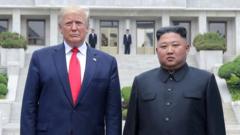
Trump's Diplomatic Overture to North Korea Leadership
The pursuit of improved relations between Trump and Kim Jong Un represents a significant shift in international diplomacy that could fundamentally alter the geopolitical landscape of Northeast Asia. This diplomatic initiative, while potentially opening new channels for dialogue, presents complex challenges for South Korea's long-term security interests and strategic positioning in the region.
Recent developments underscore the delicate balance between engaging adversaries and maintaining existing security commitments. Trump's approach to Trump Kim Jong Un diplomacy emphasizes direct communication and negotiation rather than traditional diplomatic channels, a strategy that carries both opportunities and inherent risks for allied nations.
Early Termination of Joint Military Exercises
US military exercises with South Korea concluded ahead of schedule on Friday, marking a notable development in the exercise schedule that typically extends longer throughout the year. These joint drills, essential for maintaining readiness and interoperability between allied forces, serve as a critical component of the security framework protecting the Korean Peninsula.
The abbreviated timeline of these exercises raises important questions about strategic priorities and the messaging such decisions convey to other regional actors. Military analysts suggest that compressed training schedules may impact the effectiveness of coordinated responses to potential security threats.
North Korea's Strengthened Position
Current assessments indicate that North Korea currently occupies a position of considerable strength on the peninsula, enabling leadership to negotiate from a place of relative advantage. This strategic positioning stems from recent advancements in military capabilities and the perceived uncertainty surrounding the long-term commitment of external security guarantees.
The timing of these diplomatic gestures coincides with North Korea's demonstrated technical progress, creating a complex negotiation environment where military capabilities and diplomatic leverage become intertwined. Understanding this context proves essential for evaluating the sustainability of any agreement reached through Trump Kim Jong Un diplomacy.
Implications for South Korea's Security Architecture
South Korea faces a unique predicament as the most directly affected party in these diplomatic developments. The nation's security framework depends substantially on the credibility of international commitments and the presence of advanced military capabilities positioned on the peninsula.
Reducing the scope of joint training exercises may inadvertently signal wavering commitment to the alliance structure that has underpinned regional stability for decades. South Korean military planners must consider how to maintain force readiness while adapting to evolving diplomatic circumstances.
Strategic Considerations for Regional Stability
The balance between diplomatic engagement and military preparedness requires careful calibration to avoid miscalculations. Diplomatic initiatives, while valuable for reducing tensions, cannot substitute entirely for defensive capabilities and credible deterrence mechanisms.
South Korea's position demands that it maintain robust self-defense capabilities while supporting broader peace efforts. This dual approach ensures that any diplomatic progress occurs from a position of strength rather than necessity.
Future Outlook and Negotiations
The path forward involves complex negotiations that must address legitimate security concerns of all parties involved. Successful resolution of current tensions requires transparent communication and agreements that respect the sovereignty and security interests of each nation on the peninsula.
South Korea's interests must remain central to any framework addressing Trump Kim Jong Un diplomacy, ensuring that pursuit of broader diplomatic objectives does not compromise the security guarantees essential for its national defense.