
Trump Abandons Strait Fee Plan as US Escalates Iran Port Blockade
Trump reverses 24-hour-old tariff threat on Hormuz shipping while US intensifies naval operations against Iranian port access and regional control.
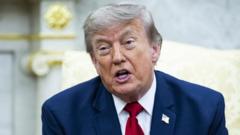
Trump Reverses Course on Hormuz Shipping Tariffs
In a significant policy shift, the Trump administration has withdrawn its proposed 20% tariff on cargo vessels transiting the Strait of Hormuz, reversing a commitment made just 24 hours earlier. The Trump Iran Hormuz blockade strategy now focuses exclusively on military enforcement rather than commercial penalties, marking a notable recalibration of the administration's approach to constraining Iranian maritime activity in one of the world's most critical shipping corridors.
The initial proposal, unveiled during a policy announcement, had suggested charging transit fees to all commercial vessels passing through the strategic waterway. However, White House officials reconsidered the measure, citing concerns about potential disruption to global energy markets and international trade relationships. The abrupt reversal underscores the complexity of implementing tariff-based mechanisms in international waters.
Escalating Naval Presence and Port Operations
Despite abandoning the fee structure, the United States has simultaneously intensified its military presence throughout the Persian Gulf region. American naval forces have expanded operations targeting Iranian port facilities, implementing a comprehensive blockade designed to restrict Tehran's maritime commerce and weaken its economic leverage in the region.
The Strait of Hormuz shipping tariffs proposal, while withdrawn, reflected growing concerns about maintaining Western control over this vital chokepoint. Approximately 21% of global petroleum shipments transit through the narrow passage, making it essential to international energy security. The blockade's primary objectives center on severing Iran's ability to export crude oil and import critical supplies.
Strategic Objectives Behind Port Restrictions
The ongoing US naval operations Iran campaign represents a multifaceted approach to regional containment. Military analysts suggest the strategy aims to achieve several interconnected goals: limiting Iranian revenue streams, preventing weapons shipments to regional proxies, and demonstrating American commitment to Gulf state security.
The Trump administration's decision to prioritize enforcement over financial mechanisms reflects lessons learned from previous sanctions regimes. Traditional tariff approaches proved insufficient in deterring Iranian maritime activity, prompting policymakers to recommend direct military intervention instead. This represents a substantial escalation from earlier diplomatic and economic pressure campaigns.
International Implications and Trade Concerns
The Iranian port sanctions initiative carries substantial implications for global commerce. European shipping companies, Asian energy importers, and international logistics firms have expressed concerns about navigating the contested waterway. Insurance premiums for vessels operating near Iranian territorial waters have risen sharply, reflecting heightened perceived risks.
Global petroleum markets have responded cautiously to the blockade announcement. Crude oil prices fluctuated in the immediate aftermath, though markets appeared to anticipate the eventual intensification of containment measures. Energy analysts remain divided regarding long-term price implications, with some projecting sustained elevation in shipping costs and insurance expenses.
Regional Security and Geopolitical Dimensions
The Middle East maritime strategy emphasizes strengthening partnerships with Gulf Cooperation Council member states. Saudi Arabia, the United Arab Emirates, and other regional allies have expressed support for constraints on Iranian naval activities, viewing such measures as essential to their national security interests.
However, the blockade creates procedural complications for international maritime authorities and neutral nations dependent on Gulf trade routes. Turkish, Indian, and Chinese vessels face considerable navigation challenges and regulatory uncertainty as they attempt to maintain normal commercial operations in contested waters.
Timeline and Policy Evolution
The sequence of events over the past day illustrates the fluid nature of Trump administration decision-making on Iran policy. The tariff proposal emerged from preliminary discussions within the national security council, gaining initial endorsement from senior officials. However, concerns from Treasury Department economists and State Department diplomats regarding potential economic consequences prompted rapid reassessment.
The pivot toward sustained military blockade rather than commercial tariffs represents a fundamental shift in enforcement philosophy. Rather than leveraging financial mechanisms, the administration appears committed to direct naval power projection as its primary containment mechanism.
Looking Forward: Enforcement and Sustainability
Defense officials indicate the blockade will persist indefinitely, with continuous naval deployments maintaining pressure on Iranian maritime operations. The long-term sustainability of such intensive military operations raises questions about resource allocation and potential wear on American naval forces.
The abandonment of the tariff approach may ultimately prove advantageous for implementing the broader blockade strategy, removing potential legal and diplomatic complications associated with imposing unilateral fees in international waters. This represents a pragmatic adjustment that permits fuller deployment of military enforcement mechanisms without navigating complex maritime law frameworks.