
Ukraine Escalates Strikes on Russian Naval Fleet Near Crimea
Ukraine intensifies military operations targeting Russian ships and fuel infrastructure near Crimea. Latest attacks continue strategy to disrupt supply routes i...
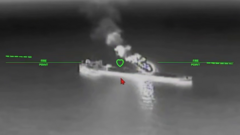
Ukraine Intensifies Military Campaign Against Russian Naval Assets
Ukraine strikes Russian ships near Crimea represent a significant escalation in military operations designed to weaken Moscow's logistical capabilities in the region. These coordinated attacks on Russian naval vessels and associated infrastructure mark another chapter in Kyiv's comprehensive strategy to undermine the occupying forces' ability to maintain supply lines to occupied Crimea.
Strategic Objective: Disrupting Supply Networks
The ongoing campaign targeting Russian naval forces serves a clear strategic purpose. By conducting these strikes on Russian ships and military installations, Ukrainian forces aim to create substantial obstacles for resupply operations flowing into and out of the contested peninsula. This tactical approach represents one of the most effective methods available to weaken Moscow's control over the occupied territory.
The Broader Context of Supply Line Warfare
Ukraine's assault on fuel supplies and maritime transport reflects a deliberate strategy to economically isolate Crimea from Russian support networks. The attacks appear to constitute the latest phase of Ukraine's comprehensive bid to systematically choke off supplies and critical routes that sustain Russian military operations in the region. By targeting fuel infrastructure and naval assets, Ukrainian commanders have identified crucial vulnerabilities in Russia's occupation apparatus.
The significance of these operations extends beyond immediate military objectives. Disrupting fuel supplies creates cascading consequences throughout Russian logistical systems, forcing Moscow to divert resources and develop alternative, often less efficient, supply routes. This attrition-based strategy gradually degrades the occupier's capacity to maintain offensive operations while simultaneously supporting the civilian population under its control.
Naval Operations and Tactical Implications
Attacks on Russian ships near Crimea demonstrate Ukraine's expanding capability to project power across the Black Sea region despite numerical disadvantages. These strikes require sophisticated intelligence gathering, precise targeting information, and coordinated execution—elements that underscore the evolution of Ukrainian military capabilities throughout the conflict.
The vulnerability of Russian naval vessels operating in contested waters highlights fundamental challenges facing Moscow's occupation strategy. Without uncontested control of sea lanes, maintaining supply lines becomes increasingly difficult and costly. Ukrainian forces have effectively transformed the maritime domain into a contested space where Russian logistics operations face constant threats.
Impact on Fuel Supply Infrastructure
The targeting of fuel supplies represents particularly strategic thinking within the broader Ukrainian military doctrine. Fuel scarcity creates multiplier effects across all military operations—aircraft cannot fly, vehicles cannot operate, and power generation becomes impossible. By systematically attacking fuel storage facilities and transport vessels, Ukraine multiplies the consequences of each successful strike.
Long-Term Strategic Consequences
The sustained campaign against Russian ships and supply infrastructure establishes conditions for degrading Moscow's occupation over extended timeframes. Rather than attempting immediate military breakthrough, Ukrainian strategists have embraced attrition-based approaches that gradually reduce Russian capabilities while maintaining Ukrainian forces' viability.
Conclusion: Escalating Pressure on Russian Positions
Ukraine's escalating strikes on Russian ships near Crimea and fuel supply networks represent sophisticated military strategy aimed at undermining occupation sustainability. These operations, targeting both naval assets and logistical infrastructure, continue the established pattern of choking off supply routes into occupied territories. As these attacks intensify, they reflect Ukraine's determination to increase costs for Russian occupation while improving long-term conditions for eventual territorial recovery.