
Ryanair Issues Warning on EU Border Queue Disruption System
Ryanair alerts European governments about potential disruptions from the new EU border queue system. The airline urges postponement of EES until after summer ho...
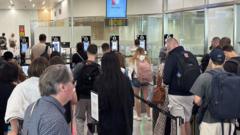
Ryanair Issues Critical Warning on EU Border Queue System
The low-cost carrier Ryanair has sounded an alarm regarding the forthcoming EU border queue system, formally known as the Entry-Exit System (EES). The airline's leadership has publicly expressed serious concerns about the potential operational disruptions that could materialize when this new EU border queue system becomes operational across European nations.
The Entry-Exit System Overview
The EES represents a significant overhaul in how travelers from non-EU nations will be processed at European entry points. This comprehensive electronic system is designed to record entry and exit data for third-country nationals crossing the borders of the Schengen Area. However, the implementation timeline has become a matter of considerable debate within the aviation and travel sectors.
Ryanair's concerns center on the technical infrastructure and operational capacity to handle the volume of passengers who traverse European borders daily. The airline operates thousands of flights annually, connecting major European hubs with smaller regional airports, meaning its network would be significantly affected by any bottlenecks in border processing.
Ryanair's Call for Postponement
The airline has formally appealed to European governments to delay the activation of the EU border queue system implementation until after the peak summer holiday travel season concludes. This request stems from practical concerns about the readiness of border facilities and personnel to manage the simultaneous influx of millions of passengers expected during the summer months.
Ryanair executives have pointed out that introducing a complex new electronic system during the busiest travel period of the year creates unnecessary risks. The summer season traditionally sees a 40-50% increase in passenger volumes across European airports, making it the least opportune time to implement a sweeping change to border procedures.
Potential Impact on European Travel
Should the EU border queue system launch during summer months without adequate preparation, the consequences could affect millions of travelers. Extended processing times at borders could create cascading delays throughout airport terminals, leading to missed connections, cancelled flights, and significant frustration among passengers.
The airline industry has collectively voiced similar apprehensions. Beyond Ryanair, other major carriers and airport operators have expressed doubts about the system's readiness. The consensus among stakeholders is that a phased rollout or delayed implementation would be more prudent than a full launch during peak travel season.
Government Response and Timeline Considerations
European governments have indicated that the EU border queue system will proceed as planned, though some flexibility regarding the exact implementation date has been suggested. The European Commission has emphasized that the system's infrastructure has undergone rigorous testing and is prepared for operational deployment.
However, the debate continues between regulatory bodies and industry representatives. Airports and airlines argue that even with comprehensive testing, real-world implementation during the highest-traffic period carries unnecessary operational risks. They advocate for a post-summer launch that would allow the system to be refined during lower-traffic autumn and winter months.
What the EU Border Queue System Means for Travelers
When the EU border queue system becomes fully operational, third-country nationals will experience a modified border crossing procedure. The automated process is intended to be more efficient than traditional manual processing, but the transition period may generate temporary inefficiencies.
Passengers will need to provide biometric data and relevant travel documentation to electronic kiosks rather than exclusively to border officers. This digitalization aims to streamline procedures once fully implemented, but the learning curve for both travelers and border personnel cannot be overlooked.
Industry-Wide Concerns
Ryanair's warning about potential queue chaos from the EU border queue system is not unique to the airline. Regional airports, ground handling companies, and other carriers have similarly cautioned against summer implementation. Their collective message emphasizes that adequate preparation time is essential for successful system deployment.
The European travel sector recognizes the necessity of modernizing border procedures. However, the timing of the EU border queue system launch remains contentious among practical operators who must manage the daily realities of moving millions of passengers across borders safely and efficiently.
Looking Ahead
The debate over when to implement the EU border queue system will likely persist until European authorities make a final decision. Whether governments heed Ryanair and other industry stakeholders' recommendations to postpone implementation until after summer remains uncertain.
What is clear is that the transition to this new system represents a significant operational change for European aviation. The coordination between government agencies, airport authorities, and airlines will be crucial to ensuring the EU border queue system functions smoothly when it eventually launches, regardless of the ultimate implementation timeline.