
First Date Payment Etiquette: Should the Bill Be Split or Paid?
Explore modern dating etiquette on first date payments. Discover diverse perspectives on who should pay and what signals romantic interest versus financial equa...
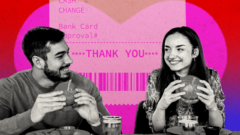
First Date Payment Etiquette: Understanding Modern Dating Norms
The question of first date payment etiquette remains one of the most debated topics in contemporary dating culture. When it comes to who should cover the bill during an initial romantic encounter, opinions vary significantly across different demographics, generations, and cultural backgrounds. The issue of first date payment etiquette has evolved considerably over the past decades, reflecting broader changes in social values and gender dynamics.
The Traditional Perspective: Men Should Pay
A substantial portion of daters still embrace traditional values when it comes to first date finances. According to various surveys and dating experts, many individuals—both men and women—continue to view a man paying for the entire bill as a romantic gesture. This perspective is rooted in traditional gender roles where the man is expected to demonstrate his financial stability and commitment by covering expenses.
Proponents of this approach argue that the person who initiated the date should demonstrate their investment in the evening. If a man asks a woman out, they contend, he should be prepared to pay for dinner, drinks, or whatever activity was proposed. This viewpoint remains particularly common among older generations and in more conservative communities.
The Modern Movement: Equality Through Bill Splitting
In contrast, an increasingly vocal segment of the dating population advocates for splitting the bill equally. Those who support this approach argue that first date payment etiquette should reflect modern principles of gender equality and financial independence. From this perspective, splitting the bill—whether equally or proportionally based on income—eliminates awkwardness and demonstrates that both parties are equals.
Advocates for bill splitting contend that this approach removes potential power imbalances and allows each person to feel autonomous. They argue that financial independence is a cornerstone of healthy relationships, and establishing this dynamic from the first date sets the right tone. Additionally, some point out that splitting the bill can actually ease tension rather than create it, as both individuals can relax knowing there are no unspoken financial obligations attached to the evening.
The Nuanced Middle Ground
Beyond these two primary positions exists a more nuanced spectrum of perspectives on first date payment etiquette. Many daters believe context matters considerably. The offer to split, the specific circumstances, and how the conversation is handled all factor into whether someone views the situation as romantic or off-putting.
Some individuals prefer the "whoever asks, pays" model, which sidesteps gender assumptions entirely. Others suggest that the person with greater financial means should contribute more substantially. Still others recommend that men pay on the first date as a gesture, but expect a different arrangement as the relationship progresses.
Gender Differences in Perspective
Research on dating preferences reveals interesting gender-based patterns in how people view first date payment etiquette. Women's opinions are particularly varied, with some feeling uncomfortable when a date offers to split, interpreting it as a lack of interest, while others find splitting more respectful and comfortable. Men similarly express diverse viewpoints, with some feeling obligated to pay and others preferring the clarity that bill splitting provides.
What Signals Genuine Interest?
A critical aspect of the first date payment etiquette discussion centers on what financial choices communicate about romantic interest. Some argue that offering to pay demonstrates genuine enthusiasm and investment in the evening. Others counter that how much you enjoyed the conversation and how eager you are to see the person again matters far more than who handled the bill.
The willingness to contribute financially, or the lack thereof, can indeed send signals—but those signals are interpreted differently by different people. For some, a woman offering to split the bill is a positive indicator of financial independence and equality-minded values. For others, it suggests disinterest or lack of investment in a potential relationship.
Practical Advice for Navigating First Date Payment Etiquette
Experts suggest that the most important aspect of first date payment etiquette is clear communication. Before the date, some daters prefer to discuss expectations about who will pay. Others believe that such conversations take the spontaneity out of dating. When the check arrives, being prepared with multiple options—offering to pay in full, suggesting a split, or proposing to contribute according to what each person ordered—demonstrates maturity and flexibility.
Cultural and Regional Variations
It's worth noting that first date payment etiquette varies significantly across different cultures and regions. In some parts of the world, the expectation that a man should pay remains very strong, while in others, splitting bills is the standard norm. Understanding these cultural contexts can help daters navigate expectations more successfully.
Ultimately, the question of first date payment etiquette doesn't have a universal answer. What matters most is that both individuals feel respected, valued, and comfortable with whatever arrangement is reached. Clear communication, mutual respect, and genuine interest in getting to know one another are the foundations of successful dating encounters, regardless of who covers the bill.