
Royal Navy Faces Resource Crisis Against Arctic Russian Threats
UK Royal Navy lacks submarines and warships to counter Russian aggression in the high north, warns defence committee. MPs demand dramatic progress by decade's e...
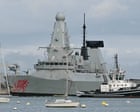
Critical Naval Capability Gap Identified by Defence Committee
The Royal Navy faces significant resource constraints that compromise Britain's ability to maintain effective deterrence against Russian military activities in the high north, according to a comprehensive assessment by parliamentary defence experts. The Royal Navy resources Russian threat situation has become increasingly pressing as geopolitical tensions escalate in Arctic waters and surrounding regions.
Members of the defence select committee have raised serious concerns about the current state of Britain's naval infrastructure, highlighting multiple operational challenges that threaten national security interests. The committee's findings suggest urgent action is required to address systemic deficiencies before the end of this decade.
Submarine Availability and Deployment Challenges
One of the most alarming aspects of the Royal Navy's current predicament involves the availability of attack submarines. During the summer months, all five Astute-class attack submarines were simultaneously undergoing dock maintenance, rendering the entire submarine fleet temporarily inactive. This situation underscores the precarious balance between maintenance schedules and operational readiness.
The Astute-class submarines represent the backbone of Britain's undersea deterrent capability in northern waters. When multiple vessels require concurrent maintenance, significant strategic gaps emerge in surveillance and reconnaissance operations. The committee emphasizes that this vulnerability exposes the UK to potential Russian naval maneuvers without adequate submarine coverage to monitor or counter such activities.
Surface Fleet Deterioration and Frigate Numbers
Beyond submarine concerns, the defence committee identified troubling trends regarding surface vessel availability. The number of operational frigates continues to decline, reducing the Royal Navy's capacity to project power and maintain presence across multiple maritime theaters. Frigates serve essential roles in anti-submarine warfare, air defense, and general-purpose operations throughout UK waters and allied territories.
The slow mobilization of HMS Dragon toward Cyprus deployment this spring illustrated broader systemic issues affecting naval operations. Extended deployment timelines and readiness challenges suggest that vessels require extended preparation periods before achieving operational status. These delays impact the Royal Navy's ability to respond swiftly to emerging threats in strategically important regions.
Strategic Implications for Arctic and High North Operations
Russia has significantly expanded its military presence and capabilities in Arctic regions, making the high north an increasingly contested strategic arena. The Royal Navy lacks sufficient resources to maintain consistent deterrent operations in these waters, where Russian submarines and surface vessels operate with growing frequency. This imbalance creates opportunities for Russian aggression that Britain currently cannot effectively counter.
The committee's analysis reveals that current force structure cannot simultaneously maintain operations in the high north while fulfilling other NATO commitments and regional defense obligations. Strategic planners face difficult choices regarding vessel deployment priorities, often resulting in reduced presence in less-visible but equally important operational areas.
Parliamentary Demands for Dramatic Progress
Defence committee members have called for dramatic progress in addressing these deficiencies within the coming decade. Without substantial investment and reform, the Royal Navy risks losing the capability to deter Russian military operations effectively. The committee warns that future aggression attempts become increasingly probable if Britain cannot demonstrate credible deterrent capacity in northern waters.
The recommendations emphasize not only increased procurement of new vessels but also improved maintenance scheduling, expanded crew recruitment and training, and enhanced operational availability of existing platforms. These multifaceted solutions require coordinated efforts across defence procurement, military personnel management, and strategic planning departments.
Long-Term Requirements and Resource Investment
Addressing the Royal Navy's resource constraints demands sustained commitment and substantial financial investment throughout the remainder of this decade. Current funding levels appear inadequate to resolve the compound challenges of aging vessels, maintenance backlogs, and insufficient numbers of modern platforms required for contemporary threat environments.
The defence committee's assessment suggests that without intervention, the capabilities gap will widen further, creating strategic vulnerabilities that adversaries may exploit. Decision-makers must prioritize naval force modernization and expansion as integral components of Britain's national defense strategy.