
RAF Typhoon Fighters Deploy to Shield Saudi Arabia
UK RAF Typhoon fighters deploy to Saudi Arabia for defensive missions against Houthi attacks. Learn about this military intervention protecting critical infrast...
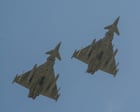
RAF Typhoon Fighters Take on Defensive Role in Saudi Arabia
The United Kingdom has committed RAF Typhoon fighters to a significant military operation aimed at defending Saudi Arabia against ongoing Houthi attacks. This deployment represents a substantial expansion of Western military involvement in the Middle Eastern conflict, with RAF Typhoon fighters now tasked with conducting protective missions across Saudi Arabian airspace. The operation will focus on safeguarding the nation's major urban centers and essential infrastructure from aerial threats originating from Yemen.
Mission Scope and Strategic Objectives
RAF Typhoon fighters will undertake defensive flying operations to intercept and neutralize threats posed by Houthi missile and drone strikes. These aerial defensive missions represent the most consequential military decision authorized under the current government leadership. The primary objective centers on protecting critical Saudi installations, particularly major airports and petroleum production facilities that have faced repeated attacks in recent months.
The Houthi militant group, based in Yemen, has demonstrated sophisticated capability in launching coordinated aerial assaults against Saudi Arabia. Their attacks have targeted both civilian infrastructure and military installations, prompting regional and international allies to strengthen defensive capabilities. RAF Typhoon fighters bring advanced air-to-air combat systems and experienced pilots capable of executing complex interception operations in challenging environments.
Escalating Western Military Engagement
This deployment reflects an intensified commitment from Western nations to maintain regional stability and protect strategic assets in the Arabian Peninsula. As tensions continue escalating between various factions in Yemen, international military support for Saudi Arabia has grown correspondingly. The decision to deploy RAF Typhoon fighters signals Britain's determination to maintain its influence in Middle Eastern security affairs.
The conflict involving Houthi forces has destabilized maritime commerce, regional economies, and security arrangements throughout the Arabian Gulf region. Multiple nations have reconsidered their military postures in response to the persistent threat environment. RAF Typhoon fighters represent one component of a broader international security framework designed to deter further aggression and protect vital economic interests.
Technical Capabilities and Operational Requirements
The Typhoon aircraft platform offers advanced sensor systems, supersonic performance capabilities, and sophisticated weapons integration suited to modern air defense operations. RAF pilots conducting these missions require specialized training in regional airspace management and tactical coordination with allied defense systems. The deployment will necessitate establishing forward operating bases and logistical supply chains to sustain continuous defensive patrols.
RAF Typhoon fighters can execute both defensive patrol missions and active interception protocols against airborne threats. Their multi-sensor avionics systems enable effective target identification and engagement across various weather conditions and tactical scenarios. The aircraft's maneuverability and weapon systems provide substantial capability advantages against the types of threats presented by unmanned systems and missile platforms employed by opposing forces.
Strategic Implications for UK Foreign Policy
This military commitment demonstrates Britain's strategic priorities in the Middle East and its intention to maintain security partnerships with Gulf Cooperation Council members. The deployment of RAF Typhoon fighters extends beyond immediate tactical considerations, reflecting broader geopolitical alignments and economic interests. British military involvement in Saudi Arabia's defense carries implications for regional power balances and international coalition-building efforts.
The operation will establish precedents for future military cooperation arrangements and could influence how international partners coordinate responses to emerging security threats. RAF participation strengthens intelligence-sharing mechanisms and tactical coordination capabilities among allied air forces operating throughout the region.
Timeline and Implementation
RAF Typhoon fighters are expected to commence operational missions following completion of necessary deployment preparations and coordination with Saudi Arabian defense authorities. The timeline for full operational capability depends on establishing adequate logistical infrastructure and conducting final mission readiness assessments. UK military planners have prioritized rapid implementation while maintaining operational security protocols.
The deployment represents a long-term commitment rather than a temporary emergency response, indicating expectations that the security environment will remain challenging for an extended period. RAF Typhoon fighters will maintain continuous readiness to respond to evolving threats as the regional situation develops.