
Rising Energy Bills: Practical Tips to Lower Your Costs
Discover effective strategies to manage rising energy bills and reduce household expenses. Learn actionable tips to control your energy consumption and save mon...
Understanding the Current Energy Bill Landscape
Rising energy bills have become a significant concern for households across the nation, with families searching for effective solutions to manage their increasing utility expenses. Despite the upward trend in energy costs, there are numerous practical approaches that homeowners can implement to mitigate the financial impact on their monthly budgets.
Root Causes Behind Energy Cost Increases
Multiple factors contribute to the recent surge in household energy expenses. Market volatility, supply chain disruptions, and increased demand for electricity have created a challenging environment for consumers. Understanding these underlying causes helps householders appreciate why rising energy bills have become an urgent issue requiring immediate attention and proactive management strategies.
Immediate Actions to Reduce Your Energy Consumption
Taking swift action is essential when facing rising energy bills. Homeowners can implement several straightforward measures that require minimal investment but deliver substantial savings. Start by conducting a comprehensive audit of your current energy usage patterns, identifying areas where waste occurs, and determining which appliances consume the most electricity throughout the day.
Smart Thermostat Installation
Installing a programmable or smart thermostat represents one of the most effective ways to address rising energy bills. These devices allow precise temperature control and automated scheduling, enabling households to reduce heating and cooling during periods when the home is unoccupied or during sleeping hours. Studies demonstrate that smart thermostats can reduce energy consumption by 10-15% annually, translating into significant long-term savings.
Appliance Assessment and Upgrades
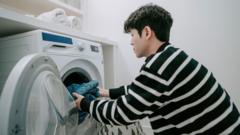
Older appliances often consume substantially more energy than modern alternatives. Refrigerators, washing machines, and dishwashers manufactured before energy efficiency standards became mandatory use considerably more electricity and water. Replacing outdated appliances with ENERGY STAR certified models can reduce your energy bills substantially while providing additional benefits such as improved performance and extended lifespan.
Behavioral Changes That Impact Your Energy Expenses
Beyond technological solutions, modifying daily habits significantly influences household energy consumption. Simple practices such as turning off lights when leaving rooms, reducing shower duration, using cold water for laundry, and unplugging devices when not in use collectively contribute to meaningful reductions in energy bills. These behavioral adjustments require no financial investment and can be implemented immediately.
Lighting Optimization Strategies
Traditional incandescent bulbs waste approximately 90% of their energy as heat rather than visible light. Transitioning to LED lighting throughout your home reduces lighting-related energy consumption by up to 80%. Beyond the direct energy savings, LED bulbs last significantly longer than conventional options, reducing replacement frequency and associated costs.
Water Heating Management
Water heating typically accounts for 15-20% of household energy expenses. Lowering your water heater temperature to 120 degrees Fahrenheit reduces both energy consumption and the risk of scalding. Installing low-flow showerheads and fixing leaking hot water pipes prevents energy waste and conserves valuable resources simultaneously.
Home Insulation and Weather Sealing
Rising energy bills often result from inadequate insulation and air leakage in homes. Gaps around windows, doors, and other openings allow conditioned air to escape, forcing heating and cooling systems to work harder. Weather stripping, caulking, and improving attic insulation create a more thermally efficient home envelope, reducing the energy required to maintain comfortable temperatures throughout seasons.
Renewable Energy Solutions
For homeowners seeking long-term solutions to rising energy bills, renewable energy systems offer substantial benefits. Solar panels generate electricity from sunlight, significantly reducing dependence on grid-supplied power. While initial installation costs are considerable, federal tax credits, state incentives, and declining technology costs make solar increasingly accessible. Many households achieve complete offset of their electricity usage within 5-10 years of installation.
Financial Assistance and Energy Audit Programs
Numerous government programs and utility companies offer free or subsidized energy audits. These professional assessments identify specific inefficiencies in your home and recommend tailored solutions. Additionally, many states provide financial assistance programs for low-income households to implement energy-saving improvements, helping vulnerable populations manage rising energy bills.
Monitoring and Adjusting Your Progress
Tracking your energy consumption patterns enables informed decision-making. Most utility companies provide online portals showing detailed usage data. By monitoring consumption trends, you can identify which interventions prove most effective and adjust strategies accordingly. Real-time feedback motivates continued commitment to energy-saving practices.
Conclusion
While rising energy bills represent a genuine challenge for households, implementing comprehensive strategies across multiple domains—from technological upgrades to behavioral modifications—creates meaningful financial relief. By combining smart thermostat installation, appliance upgrades, behavioral changes, improved insulation, and exploration of renewable energy options, homeowners can substantially reduce their energy expenses while contributing to environmental sustainability goals.