
Read Your Energy Meter Now: Prices Soar 13% Annually
Households urged to check energy meters as Ofgem's price cap increases by 13% yearly. Learn why reading meters matters during rising energy costs.
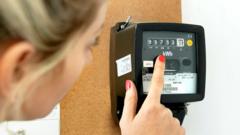
Energy Meter Reading: Essential Step During Price Increases
An energy meter reading has become increasingly important as household energy prices continue their upward trajectory, with annual increases of 13% now in effect following Ofgem's latest price cap implementation. This regulatory adjustment marks another significant shift in how British families manage their utility expenses, making accurate meter documentation more critical than ever.
Understanding the 13% Price Increase
The current energy market landscape reflects substantial challenges for consumers across the United Kingdom. Ofgem, the energy regulator responsible for setting price caps, has implemented changes that result in a 13% annual rise in household energy costs. This adjustment affects millions of properties and represents a considerable financial impact on family budgets nationwide.
The price cap mechanism, established by Ofgem, serves as a safeguard intended to protect consumers from excessive charges. However, the recent adjustment demonstrates how volatile energy markets have influenced these protective measures. Understanding the reasons behind these increases helps households make informed decisions about their energy consumption and management strategies.
Why Reading Your Energy Meter Matters Now
Households are being urged to take proactive steps regarding their energy meter reading practices. Recording accurate meter readings provides several advantages during periods of rising costs. First, accurate readings ensure that bills reflect actual consumption rather than estimates, which can sometimes result in overcharges.
An energy meter reading serves as documentation of your actual usage patterns. When you provide regular readings directly to your energy supplier, you eliminate reliance on estimated figures that may not accurately represent your household's consumption. This practice becomes especially valuable when prices increase, as every unit of consumption carries greater financial weight.
Benefits of Regular Meter Documentation
Taking responsibility for your energy meter reading creates a transparent record of consumption. This documentation protects you from potential billing disputes and ensures that you only pay for energy actually consumed. Additionally, regular readings help identify unusual consumption patterns that might indicate appliance inefficiency or technical problems requiring attention.
How to Read Your Meter Correctly
Proper execution of an energy meter reading requires attention to detail. Most UK households have either digital or traditional dial meters. For digital displays, simply record all numbers shown on the screen, reading from left to right. Traditional dial meters require recording the number indicated by each dial, paying careful attention to which number has been passed when dials show numbers between two values.
Documentation should include the date and time of the reading, along with any relevant meter identification numbers. Many suppliers now offer online portals or mobile applications that streamline the energy meter reading submission process. These digital tools reduce paperwork and provide immediate confirmation of your submission.
Impact on Household Budgeting
As household energy prices adjust upward by 13% annually, accurate meter readings become part of effective budget management. Families facing increased energy expenses benefit from understanding their actual consumption patterns. This knowledge enables more strategic decisions about energy usage timing and efficiency improvements.
The connection between regular energy meter reading practices and financial control extends beyond simple billing accuracy. By monitoring consumption trends, households can identify opportunities for energy conservation and cost reduction. Even modest decreases in consumption provide meaningful savings when prices continue rising.
Ofgem's Price Cap Explained
Ofgem's price cap represents the regulator's mechanism for setting maximum charges that suppliers can levy. This cap applies to households using standard variable rate tariffs and encompasses charges for electricity, gas, and standing charges. The recent adjustment reflects market conditions, wholesale energy costs, and other economic factors influencing the energy sector.
Understanding how Ofgem determines these caps helps households appreciate the broader context of rising costs. The regulator considers multiple factors when establishing new price levels, including distribution network costs, supplier operating expenses, and wholesale market prices. While the 13% increase reflects genuine cost pressures within the energy industry, accurate meter readings remain one area where consumers maintain direct control.
Taking Action Today
Experts recommend that households take immediate action regarding their energy meter reading documentation. Begin by locating your meter and becoming familiar with its operation and display format. Establish a routine for checking readings monthly or quarterly, recording the information in a consistent format.
Submit your energy meter reading to your supplier promptly, either through their online platform, mobile app, or by telephone. Many suppliers offer incentives for regular submissions, sometimes providing small discounts or rewards. This engagement with your energy account strengthens your position as prices continue their upward adjustment.
As household energy prices rise by 13% annually under Ofgem's current price cap, taking control of your energy meter reading practices represents a practical, immediate step toward protecting your household budget. Regular documentation ensures billing accuracy while providing valuable insights into consumption patterns that may support future cost management strategies.