
Bedford Train Collision: Week-Long Travel Disruptions Expected
Two trains collided in Bedford on Friday. 28 people hospitalized. Rail services face week-long disruptions as investigation continues into the fatal accident.
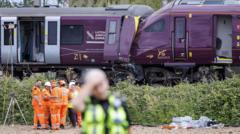
Bedford Train Collision Causes Major Service Disruptions
A significant Bedford train collision occurred on Friday, prompting authorities to announce extended travel disruptions lasting approximately one week. Emergency services responded rapidly to the incident, which involved two passenger trains colliding on the tracks near the Bedford station area. The collision resulted in serious consequences for rail infrastructure and passenger safety, with local authorities implementing comprehensive response protocols.
Hospital Admissions and Patient Care
According to police statements issued following the incident, 28 individuals remain hospitalized as a direct result of the train collision. Medical teams at local healthcare facilities are providing ongoing treatment and monitoring for injured passengers. Emergency medical personnel worked swiftly at the scene to assess injuries, stabilize patients, and coordinate transportation to nearby hospitals. The severity of injuries sustained has necessitated continued hospitalization for a substantial portion of those affected, with some patients requiring specialized medical intervention.
Extended Travel Disruptions Announced
Rail operators have confirmed that service disruptions stemming from this Bedford train collision will persist for approximately seven days. These disruptions affect commuters, business travelers, and the broader transportation network serving the region. Passengers have been advised to seek alternative travel arrangements during this period, including bus services and other public transportation options. The week-long suspension reflects the extensive damage assessment, track repairs, and safety inspections required before normal operations can resume.
Investigation Into the Incident
Authorities have launched a comprehensive investigation into the circumstances surrounding the collision. Preliminary assessments focus on determining contributing factors, including track conditions, signaling systems, train speed at impact, and operator procedures. Safety officials are examining maintenance records and reviewing communication logs from the morning of the accident. The investigation team comprises railway safety inspectors, police detectives, and technical experts specializing in rail accident analysis.
Impact on Commuters and Regional Transport
The disruptions resulting from this Bedford train collision have significantly impacted the daily commuting patterns of thousands of residents and workers throughout the region. Local businesses have adjusted operations, employers have encouraged flexible working arrangements, and educational institutions have modified schedules to accommodate transportation challenges. Public transport operators are providing enhanced bus services on alternative routes to mitigate passenger inconvenience during the suspension period.
Safety Response and Preventive Measures
Emergency response personnel demonstrated coordinated efforts during the immediate aftermath of the collision. Rescue teams, fire services, and paramedics collaborated to ensure rapid evacuation and medical attention for all affected individuals. Following standard protocols, area authorities have established safety perimeters around the damaged track sections and implemented additional monitoring measures to prevent further incidents.
Infrastructure Damage Assessment
Detailed inspections of the railway infrastructure have revealed significant damage requiring comprehensive repairs. Track sections, overhead power lines, and signaling equipment sustained damage during the collision impact. Engineers are prioritizing repairs to restore full operational capacity, with completion targeted before the one-week disruption period concludes. The extent of infrastructure damage has necessitated coordination between multiple railway maintenance departments and external contractors.
Future Service Restoration
Railway authorities remain committed to restoring full service capacity within the announced timeframe. Contingency plans have been activated to accelerate repair operations and testing procedures. Passenger communication services have been enhanced to provide regular updates regarding service restoration progress and anticipated delays as repairs progress through various stages.