
Lunar Helium-3 Mining: The Moon's Potential Energy Revolution
Discover how helium-3 from the moon could revolutionize clean energy. Explore lunar mining prospects, costs, and the future of this rare isotope.
Understanding Helium-3 and Its Significance
Helium-3 is a rare isotope of helium that has captured the attention of scientists, energy experts, and space entrepreneurs worldwide. This lightweight element, composed of two protons and one neutron, exists in limited quantities on Earth but is believed to be abundant in lunar soil. The growing interest in helium-3 moon mining stems from its potential applications in nuclear fusion technology and its promise as a clean, sustainable energy source for future generations.
The element's scarcity on our planet, combined with soaring global demand for alternative energy solutions, has positioned helium-3 as a valuable resource worth the investment in lunar exploration and extraction. As conventional energy sources face environmental scrutiny, researchers increasingly view helium-3 extraction from extraterrestrial sources as a viable path toward abundant, pollution-free power generation.
The Rising Demand and Economic Implications
Current projections indicate that helium-3 demand will escalate dramatically in the coming decades. This surge is primarily driven by advances in fusion reactor technology and the international push toward decarbonization. The element's price reflects its rarity and strategic importance, making helium-3 moon mining economically compelling for private space companies and government space agencies alike.
Market analysts forecast that helium-3 shortage on Earth will become increasingly acute as industrial and scientific applications expand. This supply constraint has prompted serious consideration of lunar mining operations as a long-term solution to meet anticipated global energy demands while maintaining environmental sustainability standards.
Lunar Resources and Helium-3 Deposits
The moon's regolith, or surface soil, contains measurable concentrations of helium-3 deposited over billions of years by solar winds. Geological surveys suggest that the lunar surface holds millions of tons of this valuable isotope, distributed across various regions. The concentration levels vary depending on location, with some areas showing higher helium-3 deposits than others, making site selection crucial for mining operations.
Scientists have identified specific lunar regions with particularly promising helium-3 concentrations. These areas have become focal points for preliminary research and future mining plans, as successful extraction depends on choosing optimal locations that balance accessibility with resource abundance.
Challenges and Technical Considerations
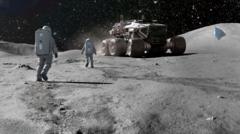
Mining helium-3 moon deposits presents substantial technical and logistical challenges. The extreme lunar environment, characterized by harsh temperature fluctuations, radiation exposure, and low gravity, requires specialized equipment and extraction methodologies. Additionally, processing helium-3 in space or transporting it back to Earth demands innovative technological solutions that remain partly theoretical.
The infrastructure required for sustainable helium-3 moon mining includes specialized extraction equipment, transportation systems, and processing facilities. Establishing these systems represents a significant investment, requiring collaboration between space agencies, aerospace companies, and research institutions to overcome technical hurdles and achieve economic viability.
Future Prospects for Space-Based Energy Solutions
The trajectory toward helium-3 moon mining reflects broader trends in space exploration and energy innovation. Several space agencies and private companies have included lunar resource extraction in their long-term strategic plans. These initiatives signal confidence in the eventual feasibility and profitability of helium-3 extraction operations beyond Earth.
As fusion reactor technology matures and clean energy becomes increasingly prioritized globally, helium-3 moon mining transitions from theoretical concept to practical consideration. The convergence of improved space travel capabilities, rising terrestrial helium-3 scarcity, and environmental imperatives strengthens the case for pursuing lunar mining ventures in the decades ahead.
Conclusion: The Moon as Earth's Energy Frontier
Helium-3 represents a tantalizing possibility for humanity's energy future. While helium-3 moon mining remains in developmental stages, the combination of limited Earth supplies, growing demand, and technological advancement suggests that lunar extraction may eventually become a cornerstone of our clean energy infrastructure. The moon, long a symbol of human curiosity and achievement, may ultimately serve as the key to unlocking abundant, sustainable energy resources for generations to come.