
Tech Solutions Transform Wildfire Detection and Response
Discover how cutting-edge technology is revolutionizing wildfire detection and management while firefighters remain essential to combating blazes effectively.
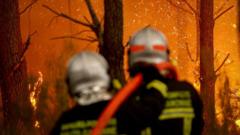
The Role of Technology in Modern Wildfire Management
Wildfire detection technology has emerged as a critical component in the modern approach to preventing and managing forest fires across various regions. While advanced systems and surveillance networks play an increasingly important role in identifying potential threats early, the question of whether technology can completely replace firefighters requires a nuanced examination of current capabilities and ongoing challenges.
The implementation of wildfire detection technology has transformed how authorities monitor vast expanses of forest and grassland. Satellite imagery, drone surveillance, and ground-based sensors now work in tandem to create comprehensive monitoring networks that can identify smoke and thermal signatures long before human observers might notice them. These technological advancements have proven invaluable in reducing response times and preventing small incidents from escalating into major catastrophes.
Current Technological Innovations in Fire Detection
Several breakthrough innovations have reshaped the landscape of fire prevention and initial response. Thermal imaging satellites can monitor large geographical areas continuously, detecting heat signatures that indicate active fires with remarkable precision. Meanwhile, artificial intelligence algorithms analyze vast amounts of data to predict fire behavior and identify high-risk zones where conditions are most conducive to rapid fire spread.
Autonomous Monitoring Systems
Unmanned aerial vehicles equipped with infrared cameras provide real-time reconnaissance of affected areas without putting personnel at immediate risk. These drones can access challenging terrain and deliver critical information to command centers within minutes. Additionally, Internet of Things sensors scattered throughout forests collect continuous environmental data, including temperature, humidity, and wind patterns that inform predictive models.
Data Analysis and Prediction
Machine learning platforms process historical wildfire data combined with current weather conditions to generate risk assessments and probable fire spread patterns. This information allows emergency management agencies to pre-position resources and evacuate communities before danger becomes imminent. Automated alert systems can notify residents and emergency services instantaneously when threats are detected.
Why Firefighters Remain Irreplaceable
Despite remarkable technological progress, wildfire detection technology cannot fully replace the essential role that trained firefighters play in combating active blazes. The actual suppression of wildfires demands human expertise, quick decision-making, and physical intervention that current automation cannot replicate.
Firefighters must navigate unpredictable terrain, assess rapidly changing conditions, and adapt strategies in real-time as fires evolve. They determine where firebreaks should be established, manage water distribution and fire retardant application, and make life-or-death decisions that require experience and judgment. Automated systems cannot comprehend the complex interplay of wind direction, fuel types, topography, and neighboring structures that inform suppression tactics.
Ground-Level Expertise and Adaptability
Trained personnel understand how different vegetation types burn, recognize dangerous fire behavior patterns, and identify escape routes and safety zones. They coordinate with helicopter crews, ground units, and equipment operators in dynamic environments where conditions change by the minute. This level of situational awareness and adaptive problem-solving remains uniquely human capabilities.
Emergency Response Coordination
Firefighters serve as the critical link between technological detection systems and actual fire suppression. They interpret data provided by detection technology, coordinate with other agencies, and execute response strategies that technology itself cannot execute. Their presence on the ground transforms raw data into effective action.
The Synergistic Future of Technology and Human Expertise
The most effective approach to wildfire management combines advanced wildfire detection technology with skilled firefighting personnel working in coordinated harmony. Early detection systems provide critical time advantages, allowing firefighters to position equipment and personnel optimally before flames reach populated areas or vulnerable ecosystems.
By providing firefighters with superior information through technology, response teams can make faster, more informed decisions that save lives and minimize environmental damage. Wildfire detection technology creates advantages that human teams leverage, rather than replacing human capabilities outright.
Investment and Future Development
Governments and private organizations continue investing heavily in enhanced detection infrastructure, recognizing that prevention and early response provide the highest return on investment. However, these investments complement rather than compete with firefighting resources. Both domains require sustained funding and development.
The evolution of wildfire detection technology will continue improving prediction accuracy and response timing, but the fundamental requirement for trained firefighters to physically engage with active fires remains unchanged. The future of wildfire management lies not in choosing between technology and human expertise, but in maximizing the synergy between these complementary approaches.