
Lebanese Forces Begin Strategic Deployment in Pilot Zone Post-Israeli Withdrawal
Lebanese army initiates troop deployment in pilot zone following Israeli withdrawal. US-brokered agreement brings change to occupied territory after Hezbollah c...
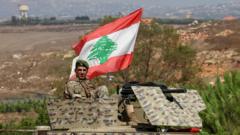
Lebanese Army Initiates Deployment Following Israeli Pullout
The Lebanese army has announced the commencement of military operations in a designated pilot zone, marking a significant development in the region's security landscape. This deployment follows the implementation of a diplomatic agreement that facilitates the withdrawal of Israeli forces from Lebanese territory previously occupied during the escalating tensions involving Hezbollah. The Lebanese army pilot zone deployment represents a crucial step toward restoring governmental authority over previously contested areas.
US-Brokered Agreement Paves Path for Troop Movements
A carefully negotiated agreement, brokered by United States diplomatic efforts, has established the framework enabling Israeli military forces to gradually extract from specific occupied regions. The accord aims to create a structured transition that allows Lebanese governmental forces to reassert control over territories impacted by the conflict. This diplomatic initiative reflects international commitment to stabilizing the volatile situation and reducing military tensions along the border region.
Strategic Importance of Pilot Zone Operations
The establishment of a pilot zone serves as a testing ground for successful military coordination and territorial transition protocols. Lebanese military commanders have emphasized the methodical nature of these operations, ensuring that troop deployment occurs smoothly without disrupting security arrangements. The pilot approach allows both parties to monitor compliance with established agreements while maintaining stability throughout the process. This measured strategy has been developed to prevent potential complications during the withdrawal sequence.
Regional Context and Historical Background
The conflict between Israeli forces and Hezbollah has created significant security challenges throughout Lebanon for extended periods. The occupation of Lebanese territory escalated tensions and created humanitarian concerns for local populations. The path toward resolution required sustained international engagement and diplomatic pressure from multiple stakeholders invested in regional stability. The current deployment initiative represents the culmination of extended negotiations aimed at achieving peaceful coexistence.
Implementation Timeline and Security Measures
Military officials have indicated that the deployment process will proceed according to predetermined schedules established within the agreement framework. Security protocols have been implemented to ensure that all movements occur in compliance with agreed-upon parameters. Lebanese armed forces personnel have received specialized training to manage the transition effectively. Coordination mechanisms between involved parties remain active to address any unforeseen complications arising during the implementation phase.
International Oversight and Verification Processes
International observers and diplomatic representatives have been positioned to monitor compliance with established withdrawal terms. The verification process includes regular reporting mechanisms and communication channels designed to address concerns from all parties. This international presence provides additional assurance that commitments will be honored throughout the transition period. The oversight framework strengthens confidence in the agreement's durability and implementation success.
Implications for Lebanese Sovereignty and Stability
The restoration of Lebanese governmental control over previously occupied zones represents a significant assertion of national sovereignty. These developments signal important progress toward stabilizing Lebanon's security environment and enhancing governmental capacity. The successful deployment in the pilot zone could establish positive precedents for future military operations and territorial transitions. Lebanese officials have expressed cautious optimism regarding the potential for sustained peace and normalized security conditions throughout the nation.