
Irregular Periods: NHS Urges PMOS Screening
NHS guidance recommends screening women with irregular periods for PMOS. Up to 4 million women may have this underdiagnosed condition affecting hormonal health.
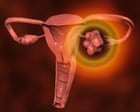
NHS Issues New Guidance on PMOS Screening for Women with Irregular Periods
The National Health Service has released updated clinical guidance recommending that women experiencing irregular periods undergo screening for polyendocrine metabolic ovarian syndrome, commonly abbreviated as PMOS. This condition, which was previously referred to as polycystic ovarian syndrome, represents a significant public health concern affecting millions of women across the United Kingdom.
According to the new NHS guidance, approximately 4 million women with irregular periods in the UK should be investigated for PMOS to ensure early detection and appropriate management. The recommendation highlights a critical gap in current medical practice, as the condition remains underdiagnosed and inconsistently managed across different healthcare settings.
Understanding PMOS and Its Prevalence
PMOS is a complex endocrine disorder that significantly impacts reproductive-age women. The World Health Organization estimates that this condition affects up to 13% of women during their reproductive years, making it one of the most common hormonal disorders in this demographic. Despite its prevalence, PMOS screening has not been uniformly implemented across healthcare systems.
The condition manifests through various symptoms, with irregular menstrual cycles being one of the most recognizable warning signs. Women with PMOS often experience unpredictable periods, which can vary significantly in frequency and duration. These menstrual irregularities frequently serve as the initial indicator that prompts medical evaluation and further investigation.
The Current Problem: Underdiagnosis and Inconsistent Management
According to Nice guidance documents, PMOS remains underdiagnosed and inconsistently managed across different healthcare facilities. This variation in clinical practice means that many women with the condition go undiagnosed for extended periods, potentially missing opportunities for early intervention and symptom management.
The lack of standardized diagnostic protocols has contributed to delays in identifying PMOS. Many women struggle with symptoms for years before receiving an accurate diagnosis, during which time they may experience worsening complications or miss important treatment options. Healthcare providers have applied varying standards when evaluating patients with irregular periods, resulting in inconsistent outcomes.
Why New NHS Guidance Matters
The new NHS guidance represents an important step toward standardizing the approach to PMOS screening and diagnosis. By establishing clear recommendations for investigating women with irregular periods, the NHS aims to improve early detection rates and ensure more consistent care across all healthcare providers.
This guidance is particularly significant given that PMOS can have wide-ranging effects beyond menstrual irregularities. The condition is associated with insulin resistance, metabolic dysfunction, and increased risk of developing type 2 diabetes. Additionally, PMOS can affect fertility, making timely diagnosis crucial for women planning pregnancies.
Implications for Women's Healthcare
The implementation of these recommendations is expected to significantly impact how women's health is managed in primary and secondary care settings. General practitioners will be equipped with clearer guidelines for when and how to screen for PMOS, ensuring that women with suspicious symptoms receive appropriate diagnostic testing.
Healthcare professionals will benefit from the standardized approach outlined in the new guidance, which should reduce delays in diagnosis and improve access to evidence-based treatment options. For women experiencing irregular periods, this means increased likelihood of receiving proper evaluation and management from healthcare providers who are following current best practices.
Next Steps for Healthcare Implementation
The NHS guidance emphasizes the importance of educating both healthcare professionals and the general public about PMOS and its symptoms. Increased awareness can help women recognize when they should seek medical evaluation for irregular periods and other concerning symptoms.
Healthcare systems are expected to implement training programs and resources to support the adoption of these new screening recommendations. This includes developing standardized assessment tools and creating clear pathways for referral and specialist evaluation when PMOS is suspected.
Moving forward, the NHS aims to ensure that no woman with irregular periods goes unscreened for PCOS-related conditions without documented clinical reasoning. This commitment to comprehensive screening represents a significant advancement in addressing the previously underdiagnosed condition of PMOS and improving outcomes for millions of affected women.