
Heatwaves Trigger Rise in Falls and Health Crises at NHS
Heatwaves are causing a surge in fall-related injuries and dizziness among elderly patients, straining NHS emergency departments. Medical professionals report a...
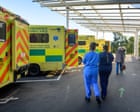
Heatwaves NHS Health Crisis Deepens Across UK Emergency Wards
The intensifying summer heatwaves are creating unprecedented challenges for heatwaves NHS health services, with emergency departments reporting a significant surge in heat-related medical incidents. Healthcare professionals across the country are witnessing a troubling pattern of injuries and health complications directly linked to extreme temperature exposure, placing additional strain on already stretched NHS resources during critical summer months.
Dr Adrian Boyle, an accident and emergency consultant at Addenbrooke's Hospital in Cambridge, highlights the concerning trend emerging from heatwaves NHS health emergencies. According to his clinical observations, elderly patients represent the most vulnerable population experiencing severe complications during periods of extreme heat, with falls becoming increasingly prevalent in accident and emergency departments.
Alarming Pattern of Falls Among Vulnerable Populations
The correlation between elevated temperatures and fall-related injuries has become unmistakably clear to emergency medicine practitioners. During the succession of five significant heatwaves experienced throughout the summer season, Dr Boyle documented multiple cases where elderly individuals suffered serious injuries after losing their balance and coordination due to heat exposure.
One particularly severe incident illustrates the gravity of these heat-related emergencies. An elderly patient experienced dizziness and light-headedness attributable to extreme heat conditions, subsequently falling down an entire flight of stairs. The fall resulted in multiple fractures including broken ribs, a fractured wrist, and a lower leg fracture. Such serious injuries demonstrate how quickly heat exposure can escalate from minor disorientation into life-threatening medical situations requiring intensive emergency intervention.
Physical Symptoms Triggering Medical Emergencies
Medical professionals consistently observe dizziness and light-headedness as primary warning signs preceding fall incidents among their elderly patients. These symptoms, directly triggered by excessive heat exposure, impair the body's ability to maintain balance and spatial awareness, creating dangerous situations particularly for individuals with pre-existing mobility challenges or reduced physical resilience.
The physiological response to extreme heat includes rapid dehydration, electrolyte imbalances, and cardiovascular stress. These factors combine to produce dizziness, confusion, and weakness that significantly increase fall risk. Emergency consultants report that these symptoms frequently escalate without adequate warning, giving patients minimal time to seek safe positions before losing their balance.
NHS Staff Operating Under Extreme Pressure
Beyond the direct impact on patient health, heatwaves are creating exceptionally difficult working conditions for NHS medical staff. Healthcare workers in emergency departments face the dual challenge of managing surging patient numbers while working in uncomfortably hot environments that compromise their own wellbeing and concentration levels.
The combination of increased caseloads and stifling workplace conditions creates a perfect storm for emergency services. Nurses and doctors must maintain their usual high standards of care while contending with heat stress themselves, leading to fatigue and reduced efficiency during periods when demand is at its peak.
Broader Health Impact of Extreme Heat
While fall-related injuries represent the most visible and acute heatwaves NHS health crisis, the impact of extreme temperatures extends far beyond this single category. Heat exposure triggers a cascade of medical complications affecting multiple body systems, from cardiovascular stress to heat exhaustion and potentially fatal heat stroke in severe cases.
Chronic conditions become exacerbated by heat exposure, and patients taking certain medications may experience unexpected complications as heat interferes with medication efficacy. The elderly population, already managing multiple health conditions, faces compounded risks that make even moderate heat exposure potentially dangerous.
Summary and Healthcare Implications
The escalating frequency and intensity of heatwaves demand urgent attention from healthcare systems and policymakers. Emergency departments must prepare for sustained increases in heat-related presentations, particularly among vulnerable elderly populations. Enhanced monitoring protocols, improved cooling facilities in hospitals, and public health campaigns warning about heat dangers represent essential responses to this growing crisis affecting the NHS and patient safety.