
Germany Reconsiders Coal Energy Amid Rising Gas Costs
Germany evaluates coal-powered electricity as alternative to expensive natural gas. Discover why energy costs are reshaping Germany's fuel strategy and climate...
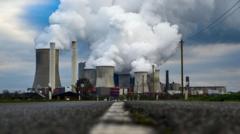
Germany Reconsiders Coal-Powered Electricity Strategy
Germany's approach to coal-powered electricity is undergoing significant reassessment as energy costs continue to escalate across the nation. The dramatic surge in natural gas prices has prompted policymakers to reconsider previous commitments to phase out coal energy, creating a complex situation where environmental objectives clash with economic pressures and energy security concerns.
The Original Coal Phase-Out Plan
For years, Germany established an ambitious timeline to eliminate coal-powered electricity from its energy grid. This strategy aligned with the country's broader climate goals and European Union regulations aimed at reducing carbon emissions. Coal power plants were slated for gradual decommissioning, with the final facilities expected to cease operations by the early 2030s. However, geopolitical developments and market disruptions have fundamentally altered this trajectory.
Rising Natural Gas Prices Transform Energy Economics
The unprecedented increase in natural gas costs has become the primary catalyst for reconsidering coal-powered electricity as a viable energy source. Supply chain disruptions, international tensions affecting energy exports, and increased global demand have pushed gas prices to historically high levels. For industrial facilities and power generation operators, these escalating costs represent a significant financial burden that threatens operational viability and competitiveness.
Impact on Energy Consumers
Households and businesses across Germany face mounting electricity bills as utilities grapple with expensive natural gas procurement. The cost differential between natural gas and coal has widened considerably, making coal-powered electricity generation economically attractive once again. This financial pressure has forced energy officials to reevaluate their fuel preferences based on current market realities.
Coal-Powered Electricity as a Strategic Alternative
Reactivating coal-powered electricity facilities presents a pragmatic approach to Germany's immediate energy challenges. Many power plants remain technically operational or could be quickly restored to service. Coal reserves are domestically available and offer price stability compared to volatile international natural gas markets. However, this strategic consideration creates tension with established environmental commitments and climate change initiatives.
Environmental and Climate Considerations
Increased reliance on coal-powered electricity would generate additional carbon emissions and reverse progress toward Germany's net-zero climate objectives. Environmental groups and climate advocates oppose any expansion of coal energy, arguing that investments should instead accelerate renewable energy infrastructure development. The debate reflects fundamental disagreements about balancing immediate energy security with long-term sustainability goals.
Policy Decisions and Future Direction
German government officials must navigate competing priorities as they determine the optimal energy strategy. Any decision regarding coal-powered electricity will have implications for energy prices, employment in coal sectors, international climate commitments, and the country's transition timeline toward renewable energy sources. The situation underscores broader European energy security challenges triggered by supply disruptions and geopolitical instability.
Timeline for Implementation
If Germany pursues expanded coal-powered electricity generation, implementation would occur relatively quickly since existing infrastructure could be reactivated. Conversely, accelerating renewable energy development requires longer-term capital investments and technological advancement. The government must consider both immediate relief options and sustainable long-term solutions.
International Energy Market Dynamics
Germany's potential return to coal-powered electricity reflects broader European trends as countries reassess energy independence and resilience. Several nations face similar decisions regarding fuel sourcing and climate commitments. The European Union's response to energy crises will shape whether member states pursue short-term fossil fuel solutions or maintain commitments to renewable energy transitions despite economic pressures.
The situation highlights fundamental tensions in modern energy policy, where economic viability, environmental responsibility, and energy security intersect. Germany's decision regarding coal-powered electricity will provide important insights into how developed nations balance these competing demands during periods of economic uncertainty and market volatility.