
Record-Breaking US Beef Prices Hit All-Time Highs in 2024
Discover why US beef prices have reached unprecedented levels. Explore supply shortages, market dynamics, and their impact on consumers and producers.
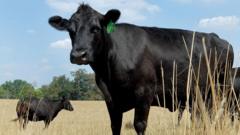
Understanding the Current US Beef Price Crisis
The United States is experiencing an unprecedented surge in US beef prices, with costs reaching levels never before recorded in the nation's history. This dramatic increase has fundamentally reshaped the meat market landscape, affecting millions of consumers and industry stakeholders across the country. Despite these record-breaking prices, paradoxically, producers and ranchers are not realizing significantly higher profit margins as many might expect.
Root Causes Behind the Escalating Prices
The primary driver behind the astronomical rise in US beef prices is a severe supply shortage gripping the livestock production sector. The cattle herd in the United States has contracted substantially, reaching its lowest levels in recent decades due to multiple compounding factors.
Drought and Environmental Pressures
Extended drought conditions across major cattle-producing regions, particularly in the Great Plains and Southwest, have severely limited grazing capacity and forced ranchers to reduce herd sizes. Limited access to affordable feed and water has made maintaining large livestock populations economically unfeasible for many operations. These environmental challenges have created a cascading effect throughout the supply chain, directly impacting meat availability and consumer prices.
Production Decline and Market Contraction
The reduction in cattle herds has created a bottleneck in meat supply. With fewer animals available for processing, meat plants operate below capacity, and distributors struggle to meet demand. This fundamental imbalance between supply and demand is the core mechanism driving US beef prices to record levels. The shortage is not temporary but reflects structural changes in the industry that may persist for years.
Why Producers Aren't Profiting Despite Higher Prices
While consumers face sticker shock at the grocery store, ranchers and beef producers are not experiencing corresponding increases in profitability. Several factors explain this counterintuitive situation.
Rising Input Costs
The expenses associated with raising cattle have skyrocketed alongside the beef price increases. Feed costs, veterinary care, fuel, labor, and equipment maintenance have all experienced significant inflation. Ranchers purchasing feed for their remaining herds must pay premium prices, eating directly into any gains from higher beef prices. The cost of replacement breeding stock has also climbed dramatically, making herd expansion financially prohibitive.
Processing and Distribution Costs
The journey from ranch to consumer involves numerous intermediaries, each adding costs to the final product. Processing facilities face labor shortages and higher operational expenses, while transportation and logistics costs have increased substantially. These middleman costs absorb much of the retail price increase, leaving producers with minimal margin improvement. Consolidation in the meat processing industry has further squeezed independent ranchers, who have less negotiating power with large packers.
Market Dynamics and Industry Consolidation
The beef industry's structure significantly influences how US beef prices translate into profitability. Large integrated companies control significant portions of production, processing, and distribution, allowing them to capture most margin gains while small and medium-sized ranchers struggle. This concentration means that price increases at retail don't necessarily benefit independent cattle producers proportionally.
Consumer Impact and Economic Implications
The record US beef prices have substantial implications for American households. Families across income levels have reduced meat consumption or substituted with cheaper protein alternatives. This shift affects dietary patterns and food choices for millions of people. The broader economy also experiences inflationary pressure from elevated meat prices, contributing to overall cost-of-living concerns that affect consumer confidence and spending.
Outlook and Future Projections
Experts project that elevated US beef prices will likely persist in the near to medium term. Rebuilding cattle herds requires years, as breeding cycles are lengthy and ranchers remain cautious about expansion given current economic uncertainty. Relief at the meat counter may not arrive for several years, even if drought conditions improve and feed becomes more affordable. The structural challenges facing American cattle production suggest that consumers should anticipate sustained high prices for beef products.