
Desperate Search: Rescuers Listen for Survivors Beneath Venezuela Rubble
Tens of thousands missing in Venezuela as rescue teams search desperately for survivors beneath collapsed buildings. Latest updates on the ongoing rescue effort...
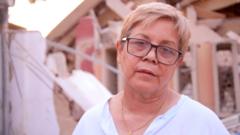
Desperate Rescue Operations Unfold in Venezuela
Rescue teams across Venezuela are engaged in an intense and emotionally draining operation to locate survivors trapped beneath the rubble of collapsed structures. With tens of thousands of people still believed missing, the focus remains on finding any signs of life that could indicate survivors in the debris. The Venezuela rescue survivors mission has become a critical humanitarian endeavor, with emergency personnel working around the clock to save lives and bring closure to families desperately waiting for news.
The Heartbreaking Silence of Active Listening
In the midst of catastrophic destruction, rescue workers maintain an agonizing silence as they listen intently for any sounds that might signal a survivor's presence. Using specialized equipment and trained canine units, teams systematically search through unstable rubble piles, carefully removing debris piece by piece. The challenge of locating victims among vast areas of destruction requires extraordinary patience, precision, and emotional resilience from rescue personnel who understand the critical window for finding people alive.
Advanced Detection Methods
Modern rescue operations employ sophisticated acoustic monitoring devices that can detect faint sounds such as breathing, movement, or tapping from beneath heavy rubble. Search and rescue dogs, trained to identify human scent markers, play an essential role in narrowing down specific areas where survivors might be trapped. These complementary techniques significantly increase the probability of successful rescues and have become standard protocol in large-scale disaster response situations across the globe.
The Human Toll and Missing Persons Statistics
The scale of Venezuela's missing persons crisis presents unprecedented challenges for rescue coordinators and emergency management officials. Tens of thousands of unaccounted individuals have created a massive coordination problem, requiring resources from multiple regions and international assistance. Families of the missing persons Venezuela situation have set up makeshift centers where they post photographs and share information about their loved ones, creating a grassroots network to complement official search efforts.
Coordinating Relief Efforts
Disaster relief efforts in Venezuela require unprecedented levels of coordination between local authorities, national military units, international rescue organizations, and volunteer groups. Supply chains must be established to provide rescue workers with food, water, medical supplies, and specialized equipment. Temporary shelters and medical facilities have been erected to treat injured survivors and provide psychological support to families experiencing the trauma of uncertainty during the missing persons Venezuela emergency.
International Support and Emergency Response Teams
The international community has mobilized emergency response teams from neighboring countries and specialized disaster response organizations. These teams bring critical expertise in urban search and rescue operations, structural engineering assessment, and medical emergency care. The emergency response teams deployed to Venezuela include trained professionals experienced in navigating complex disaster scenarios where collapsed buildings pose additional dangers to rescuers themselves.
Safety Challenges for Rescue Personnel
While searching for survivors in unstable rubble presents obvious dangers, rescue teams must balance speed with caution to avoid secondary collapses that could claim additional lives. Structural engineers work alongside rescue workers to identify safer approaches to debris, using specialized equipment to shore up precarious sections. The risk undertaken by emergency response teams reflects their commitment to the rescue survivors mission despite personal danger.
The Race Against Time
The window for finding alive survivors in collapsed structures narrows significantly after the first seventy-two hours following a disaster. This critical timeframe intensifies pressure on all Venezuela rescue survivors operations, driving teams to work with urgency while maintaining the careful precision required for safe rescue procedures. Every hour represents both a shrinking opportunity and an accumulation of exhaustion for rescue workers already pushing physical and mental limits.
Community Response and Resilience
Beyond official rescue operations, Venezuela's communities are demonstrating remarkable resilience through informal search efforts, supply distribution networks, and mutual support systems. Neighbors help neighbors, sharing resources and information about missing persons Venezuela cases. This grassroots mobilization complements formal disaster relief efforts and demonstrates the strength of community bonds during catastrophic circumstances.
Moving Forward: Support and Recovery
As rescue operations continue, attention is beginning to shift toward longer-term recovery, psychological support for survivors and families, and investigation into structural failures that contributed to the disaster. The experience of the Venezuela rescue survivors crisis will inform future emergency response protocols and building safety standards. Organizations involved are documenting lessons learned to improve disaster preparedness and response capabilities for future emergencies.