
Israeli Military Strike Kills Two in South Lebanon Amid Ceasefire Dispute
Israeli troops kill two in south Lebanon after ceasefire tensions emerge. Military claims Hezbollah operatives targeted; Iran-backed group disputes ceasefire vi...
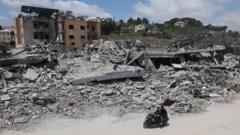
Israeli Troops Kill Two in South Lebanon After Recent Fighting Pause
An Israeli military operation in south Lebanon has resulted in the deaths of two individuals, according to statements from Israeli defense authorities. The incident marks a significant escalation during what had been a period of reduced hostilities in the region, intensifying concerns about the stability of ongoing ceasefire arrangements between Israeli military and Hezbollah forces operating in south Lebanon.
Military Claims and Hezbollah Response
Israel's defense establishment maintains that the two casualties were active Hezbollah operatives engaged in operations against Israeli interests. Official Israeli military statements characterized the targeted individuals as members of the Iran-backed militant organization, suggesting their elimination was part of counterterrorism measures aimed at protecting Israeli territory from potential attacks.
However, Hezbollah has contested this characterization and accused the Israeli military of deliberately violating the ceasefire agreement that had been in effect. The Iran-backed group's response indicates a fundamental disagreement over the interpretation and enforcement of the truce terms, raising questions about the fragility of the current security arrangement along the Lebanon-Israel border.
Escalating Tensions in South Lebanon Region
The incident has reignited concerns about the potential for further escalation of hostilities in south Lebanon, an area that has historically been a focal point of Israeli-Hezbollah confrontations. The region's volatile nature, combined with competing interpretations of ceasefire obligations, creates an unpredictable security environment that could undermine efforts to achieve lasting peace.
Diplomatic observers note that such incidents during ceasefire periods often serve as flashpoints that can trigger broader military responses. The deaths of these two individuals represent exactly the kind of trigger event that international mediators have sought to prevent through ceasefire negotiations.
International Implications and Security Concerns
The confrontation between Israeli forces and Hezbollah in south Lebanon carries broader geopolitical significance given Iran's backing of the militant organization. The region has witnessed multiple cycles of escalation and de-escalation over recent years, with each incident potentially destabilizing the precarious balance that allows for periods of reduced fighting.
Military analysts emphasize that operational activities in south Lebanon during ceasefire periods require careful management to prevent misunderstandings that could spiral into larger conflicts. The disagreement between Israeli authorities and Hezbollah over whether ceasefire terms have been violated underscores the persistent challenges in maintaining sustainable peace arrangements in this strategically important region.
Context of Recent Middle East Developments
This incident occurs within a broader context of Middle East tensions, where the Israel-Lebanon-Hezbollah dynamic represents one of several flashpoints affecting regional stability. The incident in south Lebanon adds another layer of complexity to an already intricate security landscape.
The claims and counterclaims regarding ceasefire violations reveal the deep mistrust that continues to characterize relations between Israeli military forces and Hezbollah. Each side interprets the other's actions through the lens of historical grievances and ongoing security concerns, making neutral assessment of specific incidents particularly challenging.
Looking Forward: Ceasefire Sustainability
As investigations into the incident continue, questions remain about the long-term viability of ceasefire arrangements in south Lebanon. The deaths of the two individuals, whether characterized as legitimate military operations or ceasefire violations, highlight the inherent tension between security operations and truce maintenance.
Moving forward, international mediators and local stakeholders will need to address the fundamental ambiguities in ceasefire terms that allow for divergent interpretations of permissible military activity. Without clearer agreements and mechanisms for dispute resolution, similar incidents are likely to recur, threatening the stability that populations in both Israel and Lebanon desperately need.