
Brewdog Takeover Leaves Creditors Short of £2.9M in Unpaid Debts
Brewdog creditors face significant shortfall after takeover. Administrators report £489k owed to staff and £2.4m in VAT debts remain unresolved.
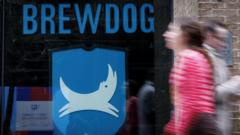
Brewdog Creditors Face Major Financial Shortfall Following Acquisition
The recent acquisition of Brewdog has resulted in substantial outstanding liabilities for creditors, with administrators confirming insufficient resources to settle all claims. The situation highlights the complexity of brewery sector takeovers and raises critical questions about stakeholder protection during major corporate transitions.
Breakdown of Outstanding Liabilities
According to official statements from the appointed administrators, approximately £489,000 remains owed to employees for unpaid wages and accrued holiday entitlements. This component of the debt directly impacts workers who performed services without receiving full compensation. Additionally, the tax authority has registered claims totaling £2.4 million for unpaid Value Added Tax (VAT), representing a significant claim against the business assets.
Staff Wage Arrears and Employment Impact
The £489,000 wage shortfall affects numerous employees across Brewdog's operations. Workers face considerable uncertainty regarding the recovery of their outstanding compensation. The administrators must prioritize these claims within insolvency procedures, though the limited available funds suggest that full recovery may not be achievable. Employee entitlements for holiday pay compound the wage situation, creating additional financial hardship for affected workers and their families.
Tax Authority Claims and Government Impact
Her Majesty's Revenue and Customs (HMRC) has submitted substantial claims for unpaid VAT totaling £2.4 million. This represents one of the largest creditor claims in the case. The tax debt accumulated over a period where the business struggled with cash flow management. Government bodies, through HMRC, must now compete with other creditors for payment from limited assets. The unpaid VAT also raises questions about tax compliance monitoring during the period leading up to the takeover.
Takeover Structure and Creditor Priority
The acquisition structure appears to have resulted in insufficient asset transfer to cover pre-existing liabilities. Takeover deals typically involve mechanisms to address outstanding debts, but in this instance, creditors face a shortfall scenario. The timing and structure of the transaction may have implications for how remaining assets are distributed. Administrators are working within strict legal frameworks that establish priority orders for different creditor classes.
Administrator Role in Resolution
The appointed administrators manage the complex process of asset liquidation and creditor distribution. Their assessment that funds are insufficient underscores the severity of the financial position. Administrators must balance various stakeholder interests while complying with insolvency regulations. The process involves careful documentation of all claims and methodical asset realization to maximize returns for all parties involved.
Implications for Brewery Industry
This situation reflects broader challenges within the competitive brewery sector, where cash flow pressures and operational costs create financial vulnerability. Other businesses in the industry may face scrutiny regarding their financial stability. The Brewdog case serves as a cautionary example of how quickly circumstances can deteriorate and how takeover structures must carefully address legacy liabilities to protect all stakeholders involved in transactions.