
Ann Widdecombe Funeral Attended by Political Figures
Politicians and broadcasters gathered at Buckfast Abbey to pay respects to former Conservative minister Ann Widdecombe, who was killed in Devon last month.
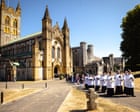
Former MP Commemorated in Private Service
Ann Widdecombe funeral proceedings took place at Buckfast Abbey in Buckfastleigh, Devon, where approximately 100 family members, friends, and professional colleagues gathered to honor the legacy of the prominent former Conservative minister. The service marked a solemn occasion for those who knew the notable public figure, who tragically passed away in her Devon residence the previous month.
The Ann Widdecombe funeral reflected the widespread respect and affection held by members of Parliament, media personalities, and community members who attended the religious ceremony at the historic Catholic abbey. The location held profound personal significance for the deceased politician, who had maintained a deep spiritual connection to the institution throughout her life.
Buckfast Abbey: A Place of Personal Refuge
Buckfast Abbey served as more than merely a venue for the funeral service; it represented a sanctuary that held exceptional meaning for Widdecombe throughout her adult years. The medieval abbey, located in the scenic Devon countryside, had become her regular place of worship and contemplation. During interviews and public appearances, Widdecombe had consistently referred to the abbey as her "safe haven," emphasizing the tranquility and spiritual nourishment she derived from the sacred space.
The decision to hold the funeral at Buckfast Abbey underscored the importance of faith in the former minister's personal identity and worldview. Throughout her distinguished career in public service, Widdecombe had been recognized for her articulate defense of religious values and conservative principles, qualities that extended deeply into her private spiritual practice.
Notable Attendees and Political Recognition
The gathering at Buckfast Abbey brought together a diverse cross-section of British public life. Members of Parliament from various political backgrounds attended to pay their final respects to a colleague whose parliamentary career spanned multiple decades. Broadcasting professionals and media figures also participated in the service, reflecting Widdecombe's substantial presence in British television and public discourse beyond her years as an elected representative.
The presence of such prominent figures underscored the substantial impact Widdecombe had achieved during her tenure in government and her subsequent career as a public commentator. Her contributions to political debate and her distinctive voice in media had earned her recognition across the political spectrum, though not without controversy during her active years in Parliament.
Reflecting on a Notable Career
Ann Widdecombe's professional journey encompassed significant responsibilities within Conservative administrations, where she served as a minister in various capacities. Her tenure in government was marked by her principled stances on social issues and her willingness to engage in rigorous public debate. Following her departure from Parliament, she remained a visible figure in British public life through television appearances and commentary on current affairs.
The funeral service provided an opportunity for reflection on her contributions to British politics and culture. Those gathered at Buckfast Abbey shared memories and experiences of working with or knowing Widdecombe throughout her long career in the public eye. The attendance of such a substantial number of figures from political and media circles testified to the breadth of her influence and the respect she commanded among professional peers.
Community Response and Legacy Considerations
Beyond the formal funeral service, the death of Ann Widdecombe prompted broader reflection within British society about her place in recent political history. Her outspoken views on various social and moral questions had generated both strong support and significant criticism throughout her public career. Nevertheless, the dignified proceedings at Buckfast Abbey allowed those closest to her to mark her passing in an atmosphere of solemn respect.
The funeral at Buckfast Abbey brought closure to the immediate crisis surrounding her tragic death while allowing friends, family, and colleagues to celebrate her life and acknowledge her influence on British public discourse. The spiritual setting proved appropriate for honoring a woman whose personal faith had remained central to her identity throughout her adult life and public career.