
PM Envisions 'Win-Win' EU Agreement Aligned with 2016 Brexit Vision
Andy Burnham believes a mutually beneficial EU deal is achievable, resembling the Brexit voters anticipated in 2016. Upcoming EU-UK summit aims to strengthen ti...
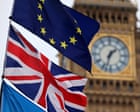
PM's Vision for a 'Win-Win' European Agreement
During discussions at the European Political Community summit in Dublin, Prime Minister Andy Burnham has expressed confidence that an EU-UK deal achieving mutual benefits is within reach. This proposed EU-UK deal would represent a departure from previous negotiations, instead reflecting what voters originally envisioned when they supported Brexit in 2016.
Burnham's comments signal a significant shift in Britain's approach to European relations, emphasizing collaborative frameworks rather than adversarial positioning. The timing of these remarks comes as momentum builds toward a crucial EU-UK summit scheduled for the following week, where substantive discussions on strengthening bilateral ties are expected to take place.
Reimagining the Brexit Framework
The Prime Minister's characterization of a potential EU-UK deal as aligned with the 2016 referendum outcome represents an effort to bridge divides that have dominated political discourse since the initial Brexit vote. Many voters expressed frustration that post-referendum negotiations diverged significantly from campaign promises and public expectations.
By positioning this new EU-UK deal as more closely resembling the original referendum aspirations, Burnham aims to demonstrate that Britain's relationship with Europe can be restructured in ways that honor both sovereignty and pragmatic cooperation. This rhetorical framing serves multiple purposes: it validates voter concerns from 2016 while simultaneously presenting current negotiations as a genuine opportunity for redirection.
Strategic Positioning at the European Political Community Summit
The European Political Community gathering in Dublin provided an ideal platform for Burnham to articulate this vision to fellow European leaders. These summits typically bring together heads of government and senior officials from across the continent, creating opportunities for bilateral discussions and multilateral engagement on shared challenges.
Burnham's participation underscores Britain's commitment to maintaining active diplomatic channels with European partners despite the complexities introduced by previous Brexit negotiations. The Prime Minister's presence at such forums signals a desire to normalize UK-European relations and position Britain as a constructive participant in addressing regional concerns.
Anticipation Building Toward the EU-UK Summit
The forthcoming EU-UK summit represents a critical juncture in bilateral relations. Officials and observers have characterized this meeting as eagerly anticipated, suggesting that both parties perceive genuine opportunities for progress on substantive matters affecting trade, security, and broader cooperation frameworks.
Success at this summit could establish momentum for addressing longstanding grievances on both sides while creating new pathways for collaboration. The EU-UK deal that emerges from these discussions will likely influence Britain's trajectory within European affairs for years to come, making the negotiations particularly consequential for policymakers and stakeholders across the continent.
Bridging Expectations and Reality
Burnham's assertion that a new EU-UK deal could reflect the 2016 Brexit vision acknowledges a fundamental reality: there exists daylight between what many referendum voters expected and what negotiations ultimately delivered. This acknowledgment itself represents progress in political dialogue, as it validates legitimate public concerns rather than dismissing them.
The proposed EU-UK deal framework appears designed to reconcile several competing objectives: restoring constructive relations with European partners, respecting the democratic outcome of the 2016 referendum, and demonstrating that Britain's post-Brexit path offers tangible benefits to citizens. Whether these objectives can be simultaneously achieved remains subject to detailed negotiation, but Burnham's optimism suggests confidence in the possibility.
Looking Forward: The Path to Resolution
As Britain approaches these pivotal EU-UK discussions, the stakes for demonstrating successful negotiation outcomes are considerable. The Prime Minister's public confidence in achieving a 'win-win' solution sets expectations for upcoming talks while signaling to European counterparts that Britain approaches these discussions with serious intent and commitment to finding mutually advantageous arrangements.
The success of the EU-UK deal will ultimately be measured not merely by the terms agreed upon, but by whether the resulting framework can command sustained support across Britain's political spectrum and among voters who remain skeptical of European engagement. Burnham's emphasis on alignment with 2016 referendum sentiments suggests an awareness of this political imperative, positioning negotiations as an opportunity to rebuild public confidence in Britain's European strategy.