
Wineries Thrive as Vegetable Farms Struggle Through Severe Drought Crisis
Western England's wine industry flourishes during drought while vegetable farms face crisis. Growers adapt to climate change with innovative crop strategies and...
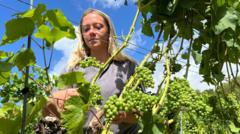
Wine Industry Flourishes While Agricultural Sector Faces Unprecedented Challenges
The drought impact agriculture sector in Western England presents a starkly contrasting picture of winners and losers as climatic conditions reshape the regional landscape. While winemakers report bumper harvests and expanding operations, traditional vegetable farmers confront an existential crisis that threatens their livelihoods and the nation's food security.
This dramatic divergence in fortunes reflects broader patterns emerging across rural communities, where established agricultural traditions collide with the realities of climate change. The prosperity enjoyed by wine producers stands in sharp relief against the deteriorating conditions faced by vegetable cultivators who have farmed these lands for generations.
The Wine Sector's Unexpected Boom
Winemakers across Western England have discovered unexpected advantages in the current environmental conditions. Extended warm seasons and reduced rainfall during critical growing periods have created ideal circumstances for producing premium-quality wines. Vineyards that seemed marginal just two decades ago now rank among Europe's most promising wine regions.
The drought impact agriculture sector has paradoxically enhanced grape ripening cycles, allowing producers to achieve higher sugar concentrations and more complex flavor profiles. Investment in new vineyard plantings has accelerated dramatically, with agricultural entrepreneurs converting marginal land previously deemed unsuitable for viticulture into thriving wine estates.
Vegetable Farmers Confront Critical Water Shortages
In stark contrast, the vegetable farming community faces an unprecedented crisis. Traditional crops including lettuce, carrots, potatoes, and other staple vegetables require consistent water availability throughout their growing cycles. The prolonged drought has severely restricted irrigation possibilities, forcing difficult decisions about which fields to cultivate and which must remain fallow.
Farmers report yield reductions of 40 to 60 percent compared to historical averages. Small and medium-sized operations, which dominate the vegetable production landscape, lack the financial reserves to invest in expensive irrigation infrastructure or diversification strategies. The cumulative effect threatens the viability of family farms that have operated continuously for generations.
Climate Change Reshaping Agricultural Patterns
The drought impact agriculture sector extends beyond simple precipitation variations. Rising average temperatures, shifting rainfall patterns, and increasing weather volatility create fundamental challenges for traditional crop selection strategies. Agricultural scientists and extension services now recommend that growers reassess their entire production models.
Western England's growing conditions increasingly resemble Mediterranean climates. This transformation opens possibilities for crops previously confined to southern regions but simultaneously eliminates suitability for conventional cool-season vegetables. The transition demands substantial capital investment, technical knowledge, and willingness to abandon established practices.
Adaptation Strategies and Innovation
Progressive vegetable growers explore several adaptive approaches to address deteriorating conditions. Drought-resistant crop varieties, including heat-tolerant lettuce, Armenian cucumber, and specialty peppers, receive increasing attention. However, establishing markets for unfamiliar products requires sustained marketing efforts and consumer education.
Irrigation innovation represents another critical avenue for survival. Drip irrigation systems, soil moisture sensors, and precision agriculture technologies can dramatically reduce water consumption while maintaining productivity. Nevertheless, implementation costs remain prohibitive for many smaller operations without substantial financial support.
Government Support and Market Response
Agricultural policy discussions now center on supporting vulnerable farm enterprises during this transitional period. Subsidies for water infrastructure, crop insurance reforms, and technical assistance programs receive consideration from government agencies tasked with maintaining domestic food production capacity.
Consumer preferences increasingly favor locally-produced foods, potentially creating market advantages for Western England vegetable producers despite reduced yields. Direct-to-consumer marketing, farm shop operations, and regional supply agreements offer pathways for retaining profitability despite lower volumes.
Looking Toward Sustainable Agricultural Futures
The drought impact agriculture sector in Western England ultimately demands fundamental rethinking of regional crop patterns and farming practices. Rather than viewing this transition as purely catastrophic, some agricultural leaders recognize opportunities for developing more resilient, efficient food systems.
Agroforestry practices, polyculture systems, and regenerative agriculture techniques may provide pathways for maintaining both productivity and environmental sustainability. Farmer cooperatives exploring these alternatives report optimism about long-term viability, though the transition period remains challenging for many established operations.