
Why Critical Tech Infrastructure Fails During Extreme Heat
Discover why essential tech infrastructure like energy grids and train services becomes vulnerable during extreme heat. Learn the risks and solutions.
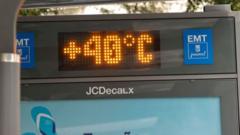
Tech Vulnerability to Extreme Heat: A Growing Crisis
Tech vulnerable to heat represents one of the most pressing challenges facing modern society today. As global temperatures continue to rise, critical infrastructure systems that billions depend on daily face unprecedented risks from extreme weather conditions. Energy grids, transportation networks, and digital systems are increasingly exposed to operational failures when temperatures soar beyond their design specifications.
The Impact on Energy Grid Infrastructure
Energy distribution networks stand at the frontline of heat-related vulnerabilities. Power generation facilities, transformers, and transmission lines all experience reduced efficiency and potential failure when exposed to sustained high temperatures. Thermal power plants require cooling water, which becomes scarce during heat waves, forcing operators to reduce output precisely when demand peaks due to air conditioning usage. Underground and overhead cables expand under extreme heat, creating tension that can lead to equipment failures and widespread blackouts affecting millions of users.
The cascading effects of energy grid failures extend far beyond temporary power cuts. Hospitals lose refrigeration for critical medicines, data centers experience catastrophic hardware damage, and emergency response systems become compromised. Recent studies indicate that every one-degree Celsius increase above design temperatures reduces grid reliability by measurable percentages, making heat management a critical operational priority.
Rail and Transportation System Vulnerabilities
Train services face severe operational challenges during extreme heat events. Rail infrastructure, particularly steel tracks and overhead power lines, expands significantly when temperatures climb. This thermal expansion can cause tracks to buckle, derail trains, or create dangerous gaps that threaten passenger safety. Modern trains rely on complex electronic systems for signaling, braking, and control—all components sensitive to overheating.
Service delays and cancellations become inevitable during heat waves as operators implement speed restrictions and temporary line closures. This disrupts millions of commuters and freight operations that depend on reliable rail transport. The railway industry has begun investing in heat-resistant materials and monitoring systems, but many aging networks still rely on infrastructure designed for cooler climates.
Data Center and Computing Infrastructure Risks
Digital infrastructure supporting the modern internet, cloud services, and telecommunications faces critical vulnerabilities to excessive heat. Data centers consume enormous quantities of electricity for computing and require equally massive cooling capacity. During extreme heat events, ambient temperature increases reduce cooling system efficiency precisely when demand peaks. Hardware failure rates spike dramatically in elevated temperatures, threatening data integrity and service availability.
The financial implications are staggering, with even brief outages costing companies millions in revenue and reputation damage. Tech companies have begun relocating data centers to cooler regions and implementing advanced cooling technologies, but the problem continues expanding faster than solutions can be deployed.
Telecommunications and Network Infrastructure Exposure
Cellular towers, fiber optic networks, and other telecommunications infrastructure depend on stable operating conditions. Heat causes equipment degradation, accelerates component wear, and increases failure rates in critical systems. Network reliability decreases during heat waves, ironically when communication systems become most essential for emergency coordination and public safety information.
Adapting Technology to Climate Realities
Industry leaders are implementing multiple strategies to address tech vulnerable to heat. These include upgrading cooling systems, redesigning equipment with higher thermal tolerances, incorporating smart monitoring systems, and strategically relocating critical infrastructure. Investment in renewable energy sources that don't require cooling water also provides long-term resilience benefits.
Governments and private operators must prioritize infrastructure hardening to ensure that essential services remain operational during increasingly frequent and intense heat events. The challenge requires coordinated investment, technological innovation, and policy support to protect the digital and physical infrastructure that modern civilization depends upon.