
Why Car Trackers Won't Help Recover Your Stolen Vehicle, According to Experts
Learn why modern car trackers fail to recover stolen vehicles. UK law restrictions and technical limitations prevent effective tracking. Expert insights on vehi...
The Limitations of Vehicle Tracking Technology in Recovering Stolen Cars
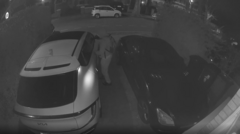
Stolen car trackers are often promoted as a reliable defense against vehicle theft, yet security specialists and automotive manufacturers warn that these devices have significant limitations. According to Kia representatives who spoke with the BBC, UK legislation prohibits the active use of location tracking functions for real-time vehicle monitoring, fundamentally undermining the effectiveness of stolen car trackers in recovery operations.
Legal Barriers to Vehicle Tracking Implementation
The primary obstacle preventing manufacturers from utilizing location tracking technology involves UK privacy and data protection regulations. Kia emphasized that current laws restrict how automotive companies can deploy their tracking systems, particularly regarding live tracking capabilities. This legal framework creates a fundamental disconnect between what consumers expect from their vehicles' built-in technology and what manufacturers are permitted to offer.
The restrictions apply across multiple jurisdictions, not merely the United Kingdom. European Union data protection directives and similar legislation in other countries impose strict limitations on continuous vehicle monitoring without explicit user consent and proper legal justification. These regulatory safeguards, while intended to protect consumer privacy, inadvertently weaken the vehicle recovery mechanism that stolen car trackers are designed to provide.
Technical Challenges Beyond Legal Restrictions
Beyond legislative constraints, stolen car trackers face substantial technical hurdles. Modern vehicles equipped with tracking systems cannot guarantee real-time location accuracy in all environments. Urban canyons, underground parking facilities, and areas with poor satellite reception all compromise GPS functionality that these systems depend upon.
Additionally, experienced car thieves routinely disable or remove tracking devices before selling stolen vehicles. Professional theft operations specifically target and extract location tracking hardware, rendering expensive anti-theft systems completely ineffective. This technological arms race between manufacturers and criminals continues to evolve, with thieves remaining ahead in their capacity to neutralize recovery equipment.
How Insurance Companies Address Vehicle Theft
Rather than relying solely on stolen car trackers, insurance providers recommend comprehensive security measures. These include immobilizer systems, steering wheel locks, alarms, and secure parking in monitored facilities. Insurance companies recognize that stolen car trackers alone cannot guarantee vehicle recovery, and therefore adjust coverage recommendations accordingly.
Police departments similarly advise that stolen car trackers should form only one component of a multi-layered security strategy. Law enforcement officials indicate that even when location data from stolen car trackers is provided, retrieval operations face delays, and vehicles are frequently stripped for parts before recovery teams arrive.
Expert Recommendations for Vehicle Protection
Security experts suggest that vehicle owners should not depend exclusively on stolen car trackers as their primary theft prevention mechanism. Instead, a comprehensive approach combining multiple technologies proves more effective. This includes engine immobilizers, GPS trackers installed discreetly (not in obvious locations), alarm systems, and behavioral practices such as parking in well-lit, populated areas.
Professional security consultants also recommend registering vehicles with theft recovery services and ensuring comprehensive insurance coverage that includes full replacement value. These measures, combined with awareness of vehicle security, provide superior protection compared to relying on stolen car trackers alone.
The Future of Vehicle Recovery Technology
Manufacturers continue developing new technologies to improve vehicle security and recovery potential. However, experts maintain that legal restrictions and technical limitations will persist as long-term challenges. Future solutions may include blockchain-based ownership verification, advanced biometric security systems, and satellite-based tracking that operates independently from traditional GPS networks.
Until such technologies become mainstream, vehicle owners must accept that stolen car trackers represent an imperfect solution. Insurance industry data demonstrates that vehicles equipped with stolen car trackers experience slightly higher recovery rates than those without any tracking system, yet the improvement remains marginal when considering the associated costs and privacy implications.
Conclusion
Stolen car trackers offer limited protection against vehicle theft due to legal restrictions, technical constraints, and criminal countermeasures. While these devices should not be completely dismissed, consumers should understand their limitations and implement comprehensive security strategies. Combining stolen car trackers with other protective measures, secure parking practices, and adequate insurance coverage provides the most effective defense against vehicle theft in the modern landscape.