
Venezuela Earthquakes Leave 920 Dead as Rescue Teams Arrive
Venezuela earthquakes have claimed 920 lives with hundreds feared trapped. International rescue efforts underway to locate survivors in affected regions.
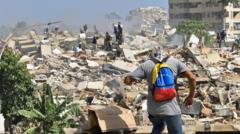
Venezuela Earthquakes: A Catastrophic Natural Disaster
A devastating series of Venezuela earthquakes has resulted in the tragic loss of approximately 920 lives, marking one of the most severe seismic events in the nation's recent history. As rescue operations intensify across affected regions, the international community has mobilized response teams to assist in locating and extracting survivors from collapsed structures and debris fields.
Current Casualty Figures and Missing Persons
The confirmed death toll from the Venezuela earthquakes stands at 920, though officials warn that this number may increase as search and rescue teams continue their systematic operations through affected areas. Hundreds of individuals remain unaccounted for and are feared to be trapped beneath the rubble of damaged buildings, creating an urgent timeframe for rescue operations to locate survivors.
International Rescue Efforts in Full Motion
In response to the humanitarian crisis triggered by the Venezuela earthquakes, international rescue teams have begun arriving at designated coordination centers. These specialized units bring advanced detection equipment, trained search and rescue personnel, and medical supplies essential for emergency response operations. Countries from across the Americas and Europe have pledged support, recognizing the scale and severity of the disaster.
Global Coordination and Support
Multiple nations have deployed teams equipped with canine units, heavy machinery for debris removal, and medical personnel trained in disaster response. The coordination between local Venezuelan authorities and international organizations ensures that rescue efforts are maximized and resources are distributed efficiently to areas with the greatest need following the Venezuela earthquakes.
Communication Challenges and Family Reunification
Families desperately seek information about loved ones caught in areas affected by the Venezuela earthquakes. Makeshift information centers have been established where relatives can register missing persons and access updates on ongoing rescue operations. Communication infrastructure damage in some regions has complicated these efforts, prompting organizations to establish alternative communication channels.
Community Response and Support Networks
Local communities have organized volunteer efforts to assist professional rescue teams. Citizens share information about potential survivor locations, provide temporary shelter, and distribute essential supplies. These grassroots initiatives complement formal rescue operations following the Venezuela earthquakes.
Structural Assessment and Ongoing Challenges
Engineers are conducting rapid assessments of buildings throughout affected zones to determine structural integrity and identify priority areas for rescue operations. The Venezuela earthquakes have caused widespread building collapse, particularly in older structures not built to modern seismic codes. This ongoing assessment process is crucial for directing resources to areas with the highest concentrations of potential survivors.
Search Operations in Progress
Rescue teams work in shifts to maintain continuous search efforts despite challenging conditions. Unstable rubble, limited visibility, and aftershocks pose ongoing risks to rescue personnel conducting operations following the Venezuela earthquakes. Teams utilize sophisticated listening devices and thermal imaging technology to detect signs of life beneath debris.
Relief and Recovery Planning
Beyond immediate rescue operations, humanitarian organizations are establishing field hospitals, water distribution points, and temporary shelters for displaced residents affected by the Venezuela earthquakes. Medical personnel treat injuries ranging from minor wounds to critical trauma requiring surgical intervention. Psychological support services address the emotional trauma experienced by survivors and rescue workers.
Supply Chain and Resource Management
Logistics coordinators work to ensure steady supplies of food, medical equipment, and rescue materials reach affected areas. Roads damaged by the Venezuela earthquakes complicate delivery routes, requiring alternative transportation methods and strategic planning.
Looking Forward: Recovery and Reconstruction
While immediate rescue operations remain the priority, government officials have begun preliminary discussions about long-term reconstruction efforts. The Venezuela earthquakes will necessitate significant rebuilding of infrastructure, housing, and community facilities. International financial assistance and technical expertise will likely play crucial roles in recovery planning.
As rescue teams continue their efforts, the international community maintains focus on the urgency of locating survivors trapped following the Venezuela earthquakes. Updated casualty figures and operation progress reports are expected as rescue missions advance and assessments of affected regions become more comprehensive.