
Venezuela Earthquake Victims: Families Struggle to Identify Loved Ones
Overwhelmed services in Venezuela struggle to identify earthquake victims as families face heartbreak at makeshift morgues amid disaster aftermath.
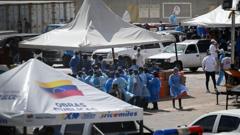
Venezuela Earthquake Victims Face Identification Challenges Amid Crisis
Following a devastating seismic event in Venezuela, families have been forced to navigate an anguishing process to identify Venezuela earthquake victims as local infrastructure buckles under the unprecedented strain. The disaster has exposed critical gaps in emergency response capabilities, leaving authorities scrambling to manage the human toll of the catastrophe.
Overwhelmed Local Services Struggle to Cope
The magnitude of the emergency has pushed Venezuelan public services to their breaking point. Makeshift facilities have been hastily established across affected areas to accommodate the overwhelming number of deceased individuals requiring identification. Bodies have been temporarily placed in outdoor spaces and canvas tents due to the lack of adequate mortuary infrastructure and storage capacity.
Desperate Search for Identity
Grieving relatives arrive daily at improvised morgues seeking answers about their missing loved ones. The process of Venezuela earthquake victims identification has become a harrowing journey, with families moving from one temporary facility to another in hopes of locating family members. Many have brought photographs and personal items to assist in the recognition process, while others provide DNA samples to aid in identification efforts.
Infrastructure at Breaking Point
The disaster has revealed the vulnerability of Venezuela's emergency management systems. Hospitals and medical facilities in the epicenter region are operating far beyond capacity, with corridors and parking areas transformed into makeshift morgues. Staff members work around the clock with limited resources, struggling to maintain dignity for the deceased while processing the overwhelming volume of cases.
International Support Calls and Local Response
As news of the crisis spreads, authorities face mounting pressure to improve conditions at identification centers. Organizations specializing in disaster response have expressed concern about the current arrangements, emphasizing the need for proper facilities to preserve remains and expedite the identification process. The situation underscores the importance of disaster preparedness in regions prone to seismic activity.
Impact on Families and Communities
The aftermath of the earthquake extends far beyond the immediate physical destruction. Families endure emotional trauma while participating in the identification process, confronting the reality of their losses. Community leaders are working to establish support systems, recognizing the psychological toll this natural disaster has inflicted on survivors and those searching for missing relatives.
Path Forward for Disaster Relief
Authorities have acknowledged the inadequacies in current response mechanisms and are exploring solutions to improve conditions. Discussions are underway regarding temporary refrigerated storage units, additional trained personnel, and better coordination systems to streamline the identification process. These measures aim to provide closure to grieving families while maintaining respect for the deceased during this unprecedented crisis.