
Venezuela earthquake aftermath: thousands left without aid after strong tremors
Devastating Venezuelan earthquakes leave communities struggling. Discover how residents are coping with the disaster aftermath and rescue efforts in affected ar...
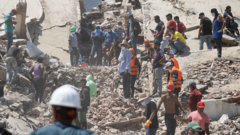
Venezuela Earthquake Aftermath: Communities Face Crisis
The Venezuela earthquake aftermath has created an unprecedented humanitarian challenge across multiple regions, leaving thousands of residents in precarious conditions with minimal external support. Following the occurrence of significant seismic events, affected populations have mobilized independently to conduct rescue operations and provide mutual assistance to one another.
Rescue Efforts at Ground Level
In severely impacted zones, rescue activities continue with limited resources and basic tools. Residents have organized themselves into informal rescue teams, utilizing whatever equipment remains accessible or functional following the tremors. Crowbars, pickaxes, hand tools, and manual excavation represent the primary means through which locals attempt to locate and extract individuals trapped beneath collapsed structures.
Community-Led Response
The absence of rapid institutional emergency response has forced neighborhoods to depend on collective action and neighborly solidarity. Volunteer rescuers work continuously throughout affected areas, employing improvised rescue techniques to navigate through rubble and debris fields. These grassroots efforts demonstrate remarkable resilience amid the challenging circumstances that have emerged from the seismic disturbances.
Humanitarian Challenges Following the Venezuela Earthquake Aftermath
Access to clean water, medical supplies, and emergency food provisions remains critically limited in devastated regions. Healthcare facilities, many of which sustained structural damage during the earthquakes, struggle to accommodate the surge in patients requiring treatment for injuries and trauma-related conditions. Medical personnel work with depleted inventories while contending with ongoing power disruptions and infrastructure failures.
Vulnerable Populations Face Heightened Risks
Elderly residents, children, and individuals with pre-existing medical conditions face particular vulnerability as aftershocks continue to trigger additional concern and anxiety throughout the region. Mental health impacts ripple through communities, as psychological stress accumulates from repeated tremors, loss of shelter, and uncertainty regarding available support mechanisms.
Structural Damage Assessment
Initial surveys reveal extensive destruction across residential neighborhoods, commercial districts, and critical infrastructure. Buildings have sustained varying degrees of damage ranging from minor cracks to complete structural collapse. Schools, government offices, and cultural institutions have suffered significant harm, potentially affecting long-term community recovery timelines.
Infrastructure Disruption
Transportation networks remain compromised, hindering the movement of relief supplies and emergency personnel. Communication infrastructure failures have complicated coordination efforts among rescue teams and external organizations attempting to provide assistance from neighboring regions.
Resilience and Recovery Prospects
Despite overwhelming challenges, communities demonstrate determination to rebuild and restore normalcy. Neighborhood associations organize supply distribution networks, establish temporary shelters in safer locations, and coordinate work schedules for ongoing rescue and recovery operations.
The Venezuela earthquake aftermath represents a test of social cohesion and collective action during times of profound adversity. As days progress following the initial seismic events, the necessity for organized external assistance becomes increasingly apparent, though communities continue managing immediate response responsibilities through localized efforts and mutual support systems.