
Vegetable Prescriptions Improve Blood Sugar Control in British Diabetes Patients
Discover how free vegetable prescriptions and cooking programs help Britons with diabetes achieve better blood sugar levels. WellFed initiative shows remarkable...
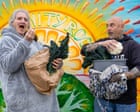
Vegetable Prescriptions: A New Approach to Diabetes Management
A groundbreaking initiative combining vegetable prescriptions diabetes support with practical cooking education is transforming how British patients manage their condition. Participants in the WellFed program across Cornwall have reported significant improvements in blood sugar levels through access to complimentary vegetable boxes, hands-on cooking classes, and community gardening activities.
The program represents a paradigm shift in diabetes care, moving beyond traditional pharmaceutical approaches to incorporate lifestyle and nutritional interventions that address the root causes of metabolic dysfunction.
From Traditional Cornish Cuisine to Health-Conscious Choices
Many program participants acknowledged long-standing dietary habits that contributed to their health challenges. Traditional Cornish fare—including egg and chips, hearty roasts, and the iconic raw fry, a one-pan dish combining bacon, potatoes, and onions often prepared with lard—dominated their eating patterns for decades. These foods, historically staples for miners and fishermen working in physically demanding conditions, proved counterproductive for modern sedentary lifestyles.
The transition from such deeply ingrained food preferences required more than willpower; it demanded education, practical skills, and genuine culinary inspiration. WellFed participants discovered that nutritious food could be both satisfying and enjoyable when properly prepared.
Hands-On Learning in Community Spaces
The program's distinctive approach includes interactive cooking sessions held at community orchards and shared kitchen spaces. In St Ives, a picturesque harbourside town in south-west Cornwall, participants gather to prepare meals together, learning essential cooking techniques while creating delicious dishes.
During these sessions, participants have learned to massage Swiss chard to soften leaves, dice fresh carrots with precision, and incorporate legumes like lentils into wholesome recipes. These practical skills remove barriers to healthy eating, demonstrating that nutritious preparation doesn't require expensive equipment or professional culinary training.
Low-GI Nutrition and Blood Sugar Management
A cornerstone of the vegetable prescriptions diabetes program involves emphasizing low-glycaemic index foods that support stable blood sugar levels. The low-GI, high-fibre shepherd's bake exemplifies the nutritional philosophy guiding meal preparation—combining nutrient-dense vegetables with legumes to create sustained energy release and improved metabolic markers.
Research consistently demonstrates that high-fibre diets rich in vegetables significantly reduce HbA1c levels, a key indicator of long-term blood sugar control. By focusing on whole foods with minimal processing, participants naturally reduce refined carbohydrate consumption that previously contributed to blood sugar fluctuations.
The Impact of Free Vegetable Boxes
Removing financial barriers to healthy food access proved crucial to program success. Many participants reported that cost previously prevented regular vegetable consumption, forcing reliance on cheaper, less nutritious processed foods. Free vegetable boxes delivered through the vegetable prescriptions diabetes initiative eliminated this obstacle.
The consistent supply of fresh, seasonal produce encourages experimentation with unfamiliar vegetables. Participants who initially hesitated to try certain ingredients became adventurous cooks, discovering new favorite dishes and expanding their culinary repertoire beyond conventional choices.
Community Engagement and Gardening Benefits
Beyond cooking instruction, the program incorporates community gardening activities that provide additional health benefits. Gardening offers physical activity, stress reduction, and direct engagement with food production, creating emotional connections to nutrition.
Participants working in community orchards develop deeper appreciation for agriculture and seasonal eating patterns. Growing vegetables themselves reinforces educational lessons about nutrition while providing satisfying physical activity appropriate for managing diabetes-related health concerns.
Measurable Health Improvements
Early results demonstrate compelling evidence of program effectiveness. Participants consistently reported improved blood sugar readings after enrolling in WellFed initiatives. The combination of nutritional education, practical cooking skills, free vegetable access, and community support created synergistic effects stronger than any single intervention.
These improvements emerged not through restrictive dieting but through sustainable lifestyle changes. Participants developed genuine enjoyment of vegetable-based cooking, making dietary adjustments maintainable long-term rather than temporary compliance efforts.
Reframing Diabetes Care for Future Generations
The vegetable prescriptions diabetes model suggests healthcare systems should prioritize prevention and lifestyle modification alongside pharmaceutical treatments. By investing in food access and nutrition education, healthcare providers address underlying metabolic dysfunction while improving quality of life.
This approach proves particularly valuable in communities historically reliant on highly processed, energy-dense foods. Programs like WellFed demonstrate that cultural food preferences can evolve when alternatives prove equally satisfying and more beneficial for long-term health outcomes.