
US Measles Cases Hit 2026 Peak Surpassing 2025
The US has recorded 2,318 measles cases in 2026, surpassing 2025's record and marking the worst year since 1991. CDC data shows ongoing outbreak.
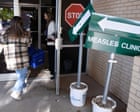
Record-Breaking Measles Outbreak Continues in 2026
The United States is experiencing an unprecedented surge in measles cases that has exceeded all previous records in recent decades. According to newly released data from the US Centers for Disease Control and Prevention, the nation has documented 2,318 confirmed measles cases throughout 2026, establishing this year as the most severe measles season the country has encountered since 1991. This alarming trajectory comes with five months remaining in the calendar year, indicating the final tally could climb even further.
Breaking Historical Records
The current outbreak represents a significant public health concern as it has already surpassed the entire 2025 caseload of 2,289 infections. This marks a critical turning point in disease surveillance, as measles had been officially declared eliminated from the United States in the year 2000. The resurgence of these numbers demonstrates a troubling reversal in immunization progress and disease control achievements that took decades to accomplish.
The milestone of 2,318 confirmed infections places 2026 among the worst years for measles in the modern era. The nation crossed the significant 2,000-case threshold during the previous month, and continued climbing through July as the outbreak intensified across multiple states and communities.
Timeline and Progression of the Outbreak
The escalation of measles cases in the US has followed a concerning upward trajectory throughout 2026. Initial reports earlier in the year suggested growing clusters in various regions, but the acceleration during spring and summer months has caught public health officials' attention. The sustained growth demonstrates that transmission chains remain active within communities, suggesting insufficient immunity levels in certain populations.
CDC epidemiologists have been monitoring the outbreak's geographic distribution, which spans multiple states and involves diverse demographic groups. The continued spread during warmer months, typically considered a period of lower transmission for respiratory viruses, underscores the severity of the current situation and the vulnerability of unprotected populations.
Public Health Implications and Concerns
The resurgence of measles as a significant public health threat raises important questions about vaccination coverage and community immunity. Measles is a highly contagious viral disease that requires vaccination rates exceeding 95 percent to maintain population-level protection, a threshold that many communities are failing to meet. Each case confirmed adds to the burden on healthcare systems and increases the risk of severe complications, particularly among vulnerable populations including infants and immunocompromised individuals.
Healthcare providers across the country are reporting increased demand for diagnostic testing and management of measles complications. Hospitalizations related to measles have also increased, straining resources in pediatric departments and requiring dedicated infection control measures to prevent nosocomial transmission.
Comparison to Historical Data
The 2026 outbreak stands as a stark reminder of the progress that can be lost when immunization rates decline. Before 2000, when measles was declared eliminated in the United States, the disease claimed thousands of lives annually and caused significant morbidity. The decades-long effort to achieve elimination status represented one of public health's greatest accomplishments, making the current resurgence particularly troubling for disease prevention experts and epidemiologists.
Previous outbreaks in the 2010s and early 2020s, while notable, did not approach the current scale observed in 2026. The 2,318 cases documented so far represent a magnitude of transmission not seen in this century, prompting urgent discussions among public health authorities regarding prevention strategies and community engagement efforts.
Moving Forward
The CDC continues to monitor this emerging crisis and is working with state and local health departments to implement control measures. As the year progresses with five months remaining, epidemiologists anticipate additional cases will be reported. The ultimate final count for 2026 will significantly exceed both historical annual averages and recent year comparisons, cementing this year's place as one of the most challenging for measles control in modern American public health history.