
US Launches Military Strikes on Iran Over Strait Threats
The United States conducted fresh military operations targeting Iranian capabilities in the Strait of Hormuz region. Trump warns of severe retaliation following...
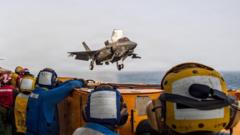
US Military Strikes Target Iranian Naval Capabilities
The United States has initiated a series of military operations designed to weaken Iran's potential to launch attacks against commercial and military vessels transiting through the critical Strait of Hormuz. These US military strikes on Iran represent a significant escalation in tensions between the two nations, following the deaths of American service members in recent incidents.
Defense officials stated that the coordinated offensive operations focused specifically on dismantling Iranian infrastructure and assets that could be utilized for hostile maritime activities. The Strait of Hormuz, one of the world's most strategically important waterways, serves as a vital passage for global oil shipments and international commerce.
Strategic Significance of the Strait of Hormuz
The Strait of Hormuz represents a critical maritime chokepoint through which approximately one-third of the world's seaborne oil traffic flows. Any disruption to navigation in this region could have far-reaching implications for global energy markets and international trade. The Iranian government has repeatedly threatened to close or restrict access through this essential waterway, prompting international concern from the United States and allied nations.
American military planners have long identified the threat posed by Iranian naval forces and anti-ship capabilities as a primary concern for regional stability. The recent military operations conducted by the US were explicitly framed as defensive measures aimed at protecting freedom of navigation and ensuring safe passage for international shipping.
Trump Administration's Warning on Retaliation
President Trump issued a stern warning indicating that the United States would respond with unprecedented severity should Iran continue provocative actions or engage in further attacks against American personnel. The presidential statement emphasized that any retaliation against US forces would be met with consequences far exceeding the initial provocation.
The administration highlighted that the deaths of American soldiers represented a direct affront to national security interests and would not be tolerated without a forceful response. This rhetorical posturing reflects the increasingly confrontational approach adopted by the Trump administration toward Iranian foreign policy and military activities.
Context of Ongoing Tensions
The current military operations represent the latest chapter in a prolonged period of escalating hostilities between the United States and Iran. Previous incidents involving military clashes, naval confrontations, and cyber operations have created an environment of heightened tensions in the Middle East region.
Iranian officials have consistently denied aggressive intentions while accusing the United States of pursuing regime change objectives and imposing excessive economic sanctions. The Iranian government maintains that its military activities are purely defensive in nature and designed to protect national sovereignty against perceived external threats.
International Response and Implications
Allied nations and international observers have expressed concern regarding the trajectory of US-Iranian relations. European partners, in particular, have called for de-escalation and diplomatic solutions to the underlying disputes. However, the Trump administration has indicated that military readiness and demonstrated strength remain central pillars of its Middle East strategy.
Regional analysts warn that continued military exchanges could inadvertently trigger unintended escalation, potentially drawing additional countries into the conflict and destabilizing the entire Middle East. The potential for miscalculation remains a significant concern for policymakers and military strategists on both sides.
Strategic Objectives of Military Operations
Beyond the immediate tactical goals of degrading Iranian capabilities, the US military strikes appear designed to send a clear message regarding American resolve and military superiority in the region. The operations also serve to reassure regional allies of continued American commitment to protecting their security interests.
Military analysts suggest that the coordinated nature of the strikes demonstrates careful planning and preparation by American defense establishments. The selection of specific targets related to anti-ship warfare capabilities suggests a focused strategy rather than indiscriminate action.